
Froun, Lebanon
In Southern Lebanon, a Bombed Village's Lifeline Will Close
After bombings destroyed Froun's shops, the Ramadan family opened a lifeline at the village school. Now they've been ordered to close.
By J.M. Hirsch
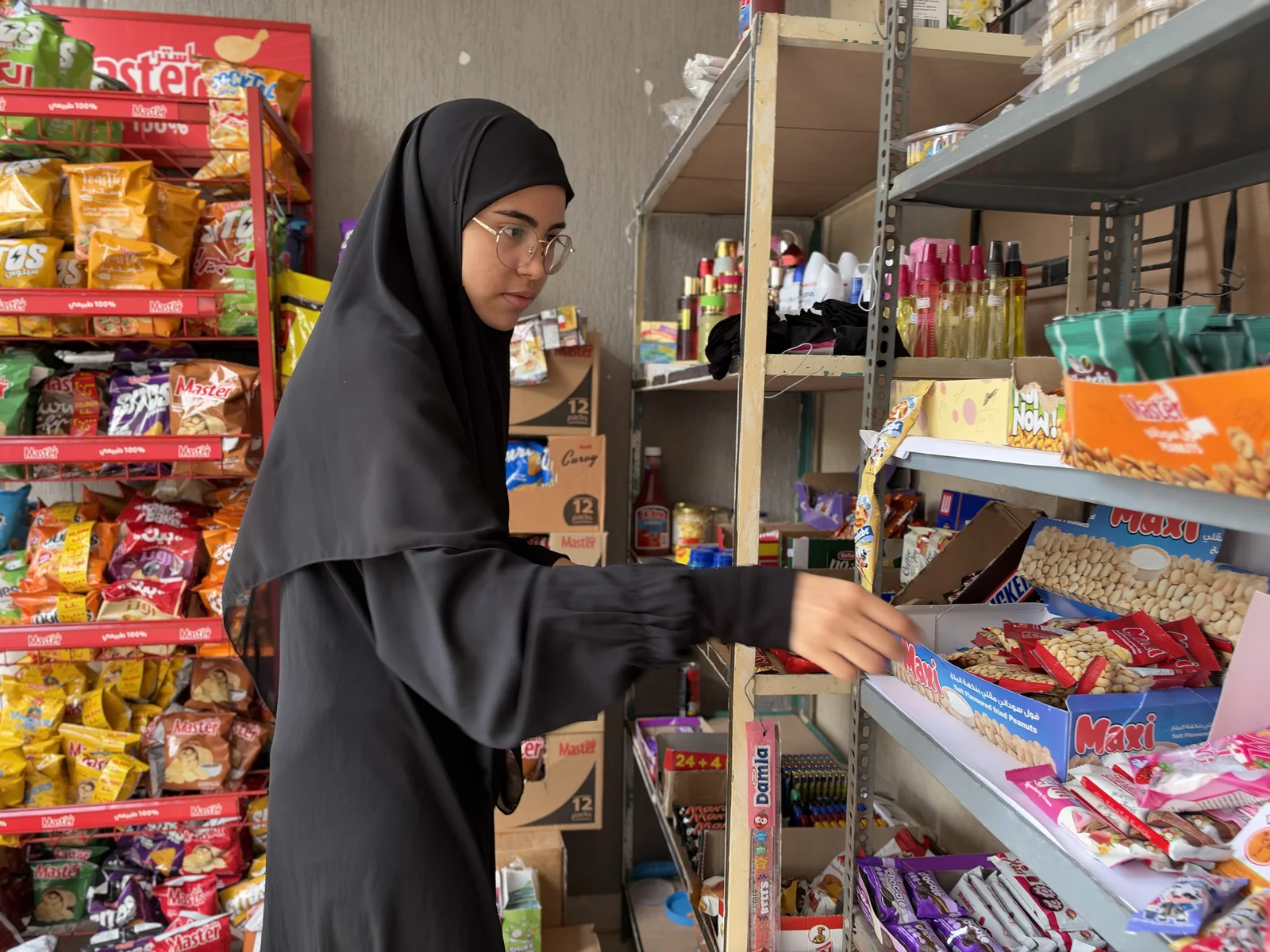
FROUN, Lebanon — When Israeli bombings obliterated their village, the Ramadan family stood up for their friends and neighbors, ensuring access to life's needs and wants. Deodorant. Snacks. Even super glue.
The Lebanese government is telling them to sit down.
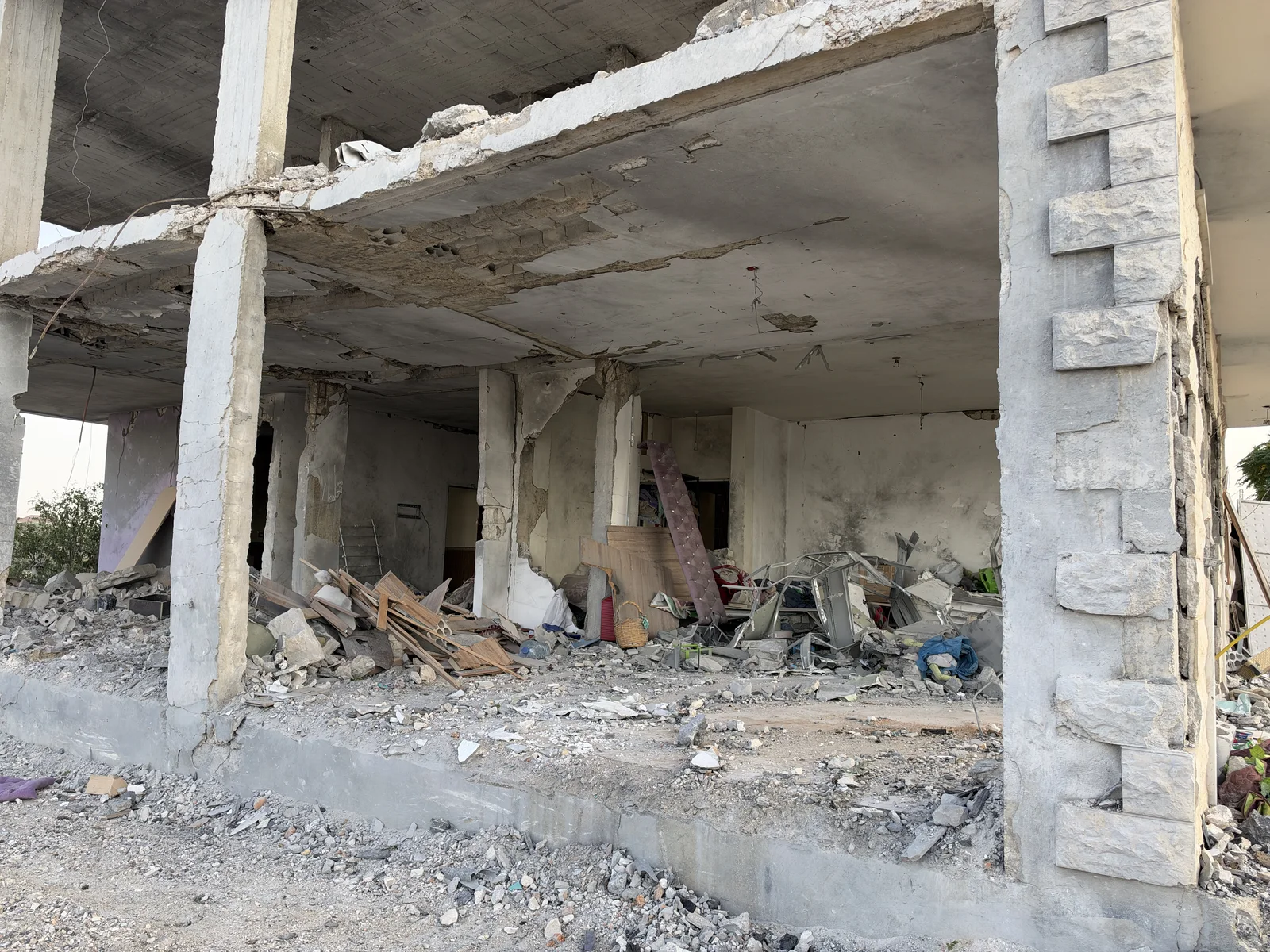
A series of attacks all but leveled this town of 364 families along the Lebanon-Israel border, an easy glance from the so-called Yellow Zone within Lebanon that Israel has occupied and been demolishing since October 2023.
The justification: The hunt for Hezbollah. The reality: Families suffering.
On June 19, a ceasefire was declared. The next day and rolling into the weeks and months that followed, 120 of the families returned to Froun, looking for lives and livelihoods lost. For most, the search won't end.
More than 80 percent of the community's buildings were destroyed. No water. No electricity. No shops.
No shops.
Consider that.
No shops means no food. No soap. No hygiene products for women. No treats for the children. No little luxuries that really aren't.
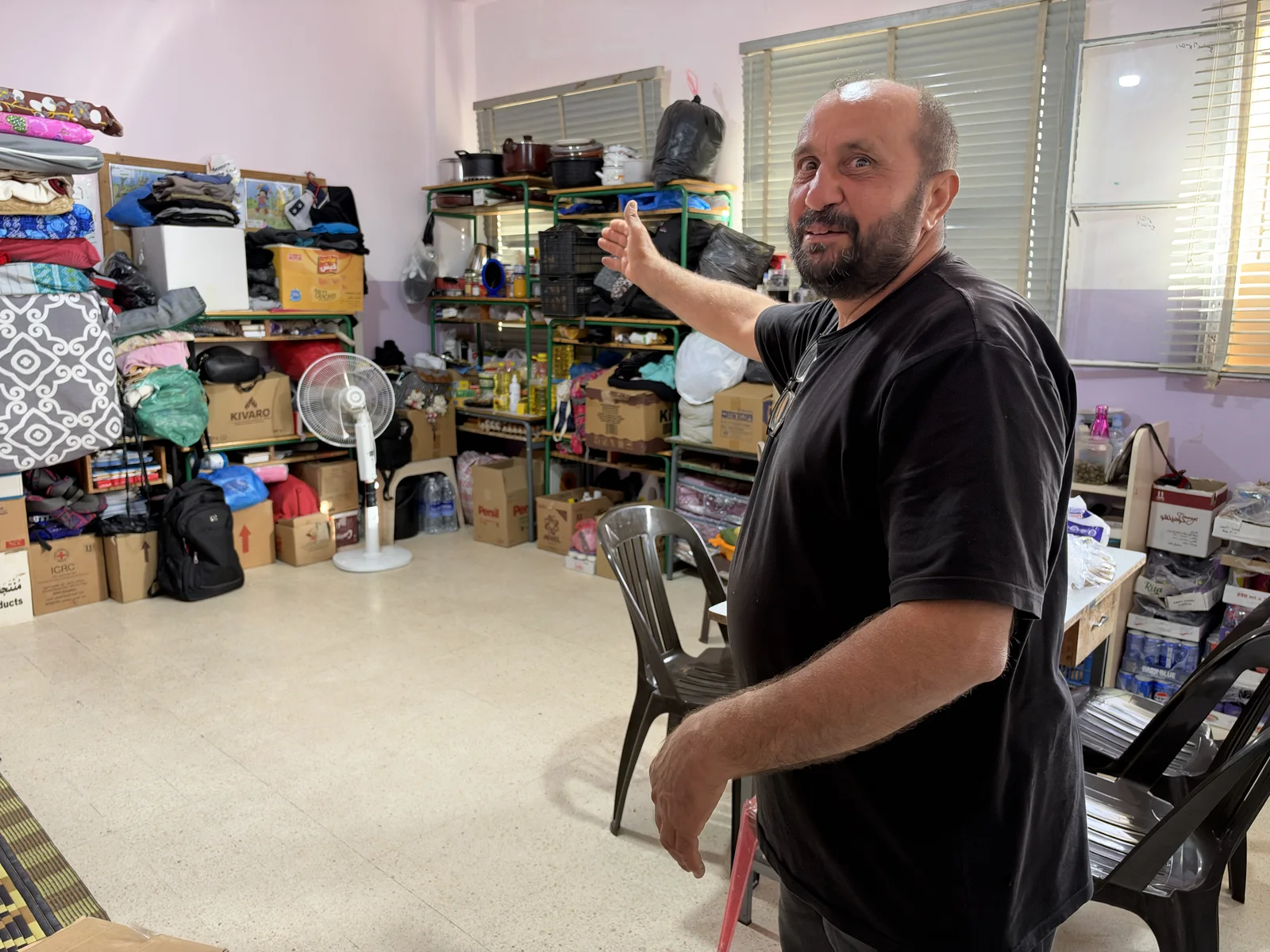
With few alternatives, many of the returning families moved into the village's elementary school, turning classrooms into homes. Desks pushed aside for sleeping mats. Portable cookstoves in front of whiteboards still marked with lessons and assignments.
The Ramadans came the day after the ceasefire—which ceased little, as even this day bombings echoed off the hills as Israel threatened to expand its push. A month after arriving, the family offered a small slice of dignity to their community.
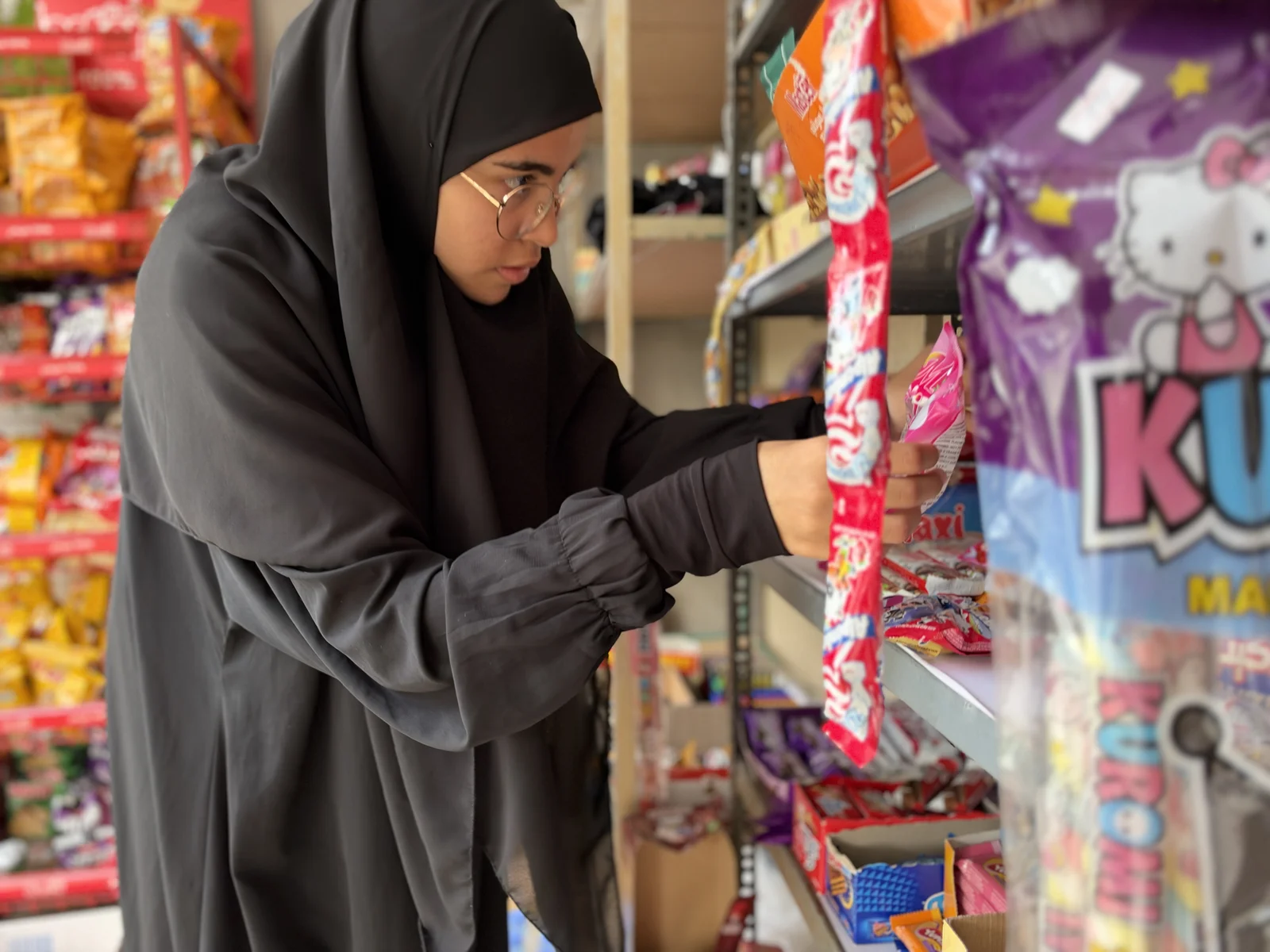
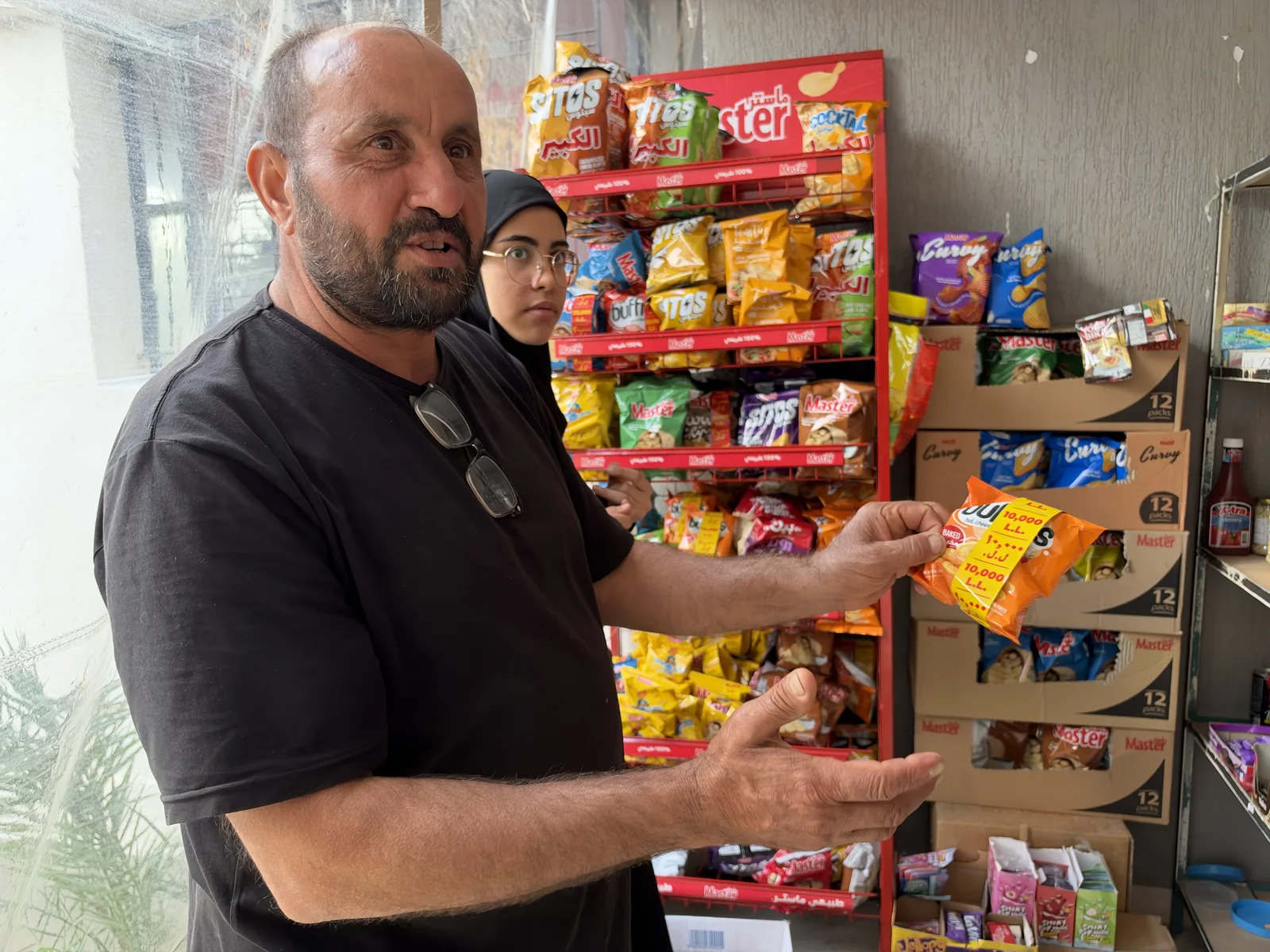
They opened an ad hoc shop on the front patio of the school, selling essentials for pennies. An out-of-town grocer agreed to help, packing a taxi with products and delivering them to Froun, filling rolling metal shelves. With life's needs and wants.
Chips and ketchup. Soaps and cleaners. Deodorants and candies. And yes, even tiny tubes of super glue.
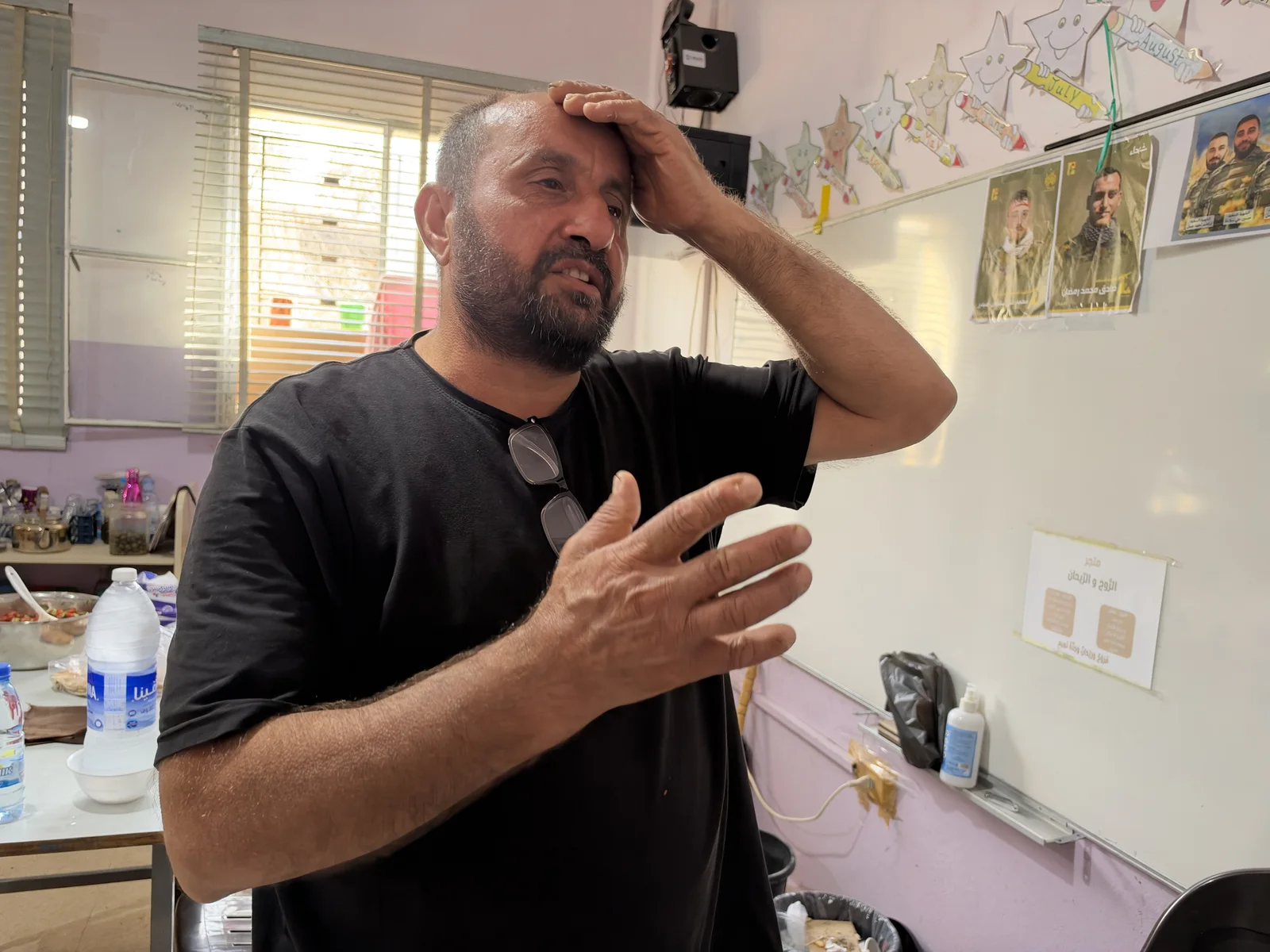
It has become a lifeline not only for those living at the school, but for all who have tried to restart their lives here.
"There is nothing in the village, no basics," said Khodour Ramadan, whose wife and two daughters run the shop day to day. "This market was vital to letting families come back to the village. How else would they get cleaning supplies or tools?"
A question with urgent relevance.
Last week, the Lebanese government ordered them to shut down, citing their lack of a proper permit. They've been told they can stay open only as long as it takes them to sell their remaining inventory.
And on this Thursday afternoon, business was brisk. Helping those in need and speeding the end.
Originally shared as a dispatch from the field. View the original post