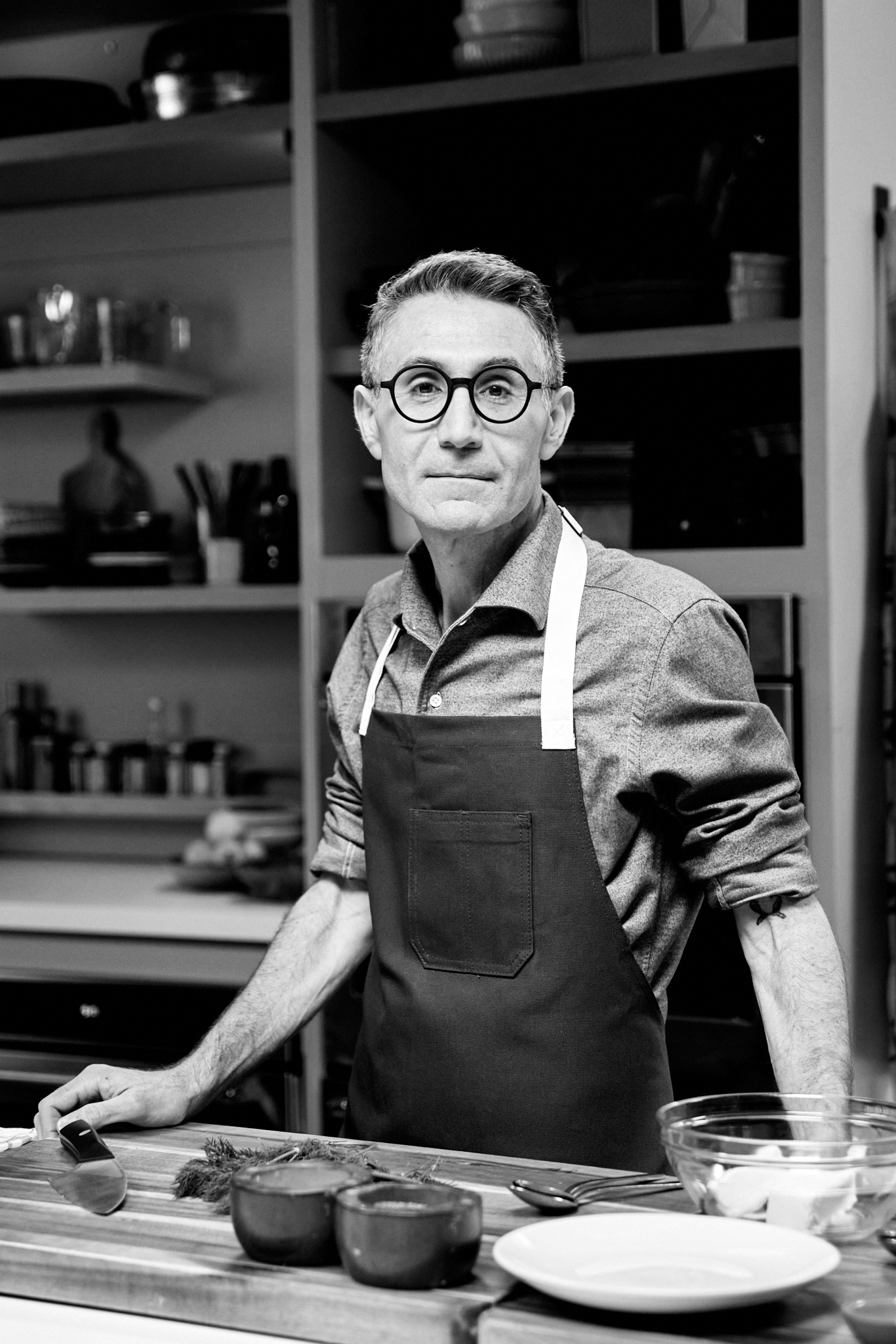
Frumushyka-Nova, Ukraine
On Ukraine's Tarutyn Steppe, a Winemaker Hopes for a History That Doesn't Repeat
In Frumushyka-Nova, Volodymyr Palariyev pours wine on land his family was forced to leave, hoping the past won’t become the future.
By J.M. Hirsch
FRUMUSHYKA-NOVA, Ukraine — Happiness is nearby.
So says a sign at the entrance to this village perched along southwestern Ukraine's Tarutyn Steppe. And with skies that cascade in Technicolor, it's hard to argue. Except history, then and now, has a habit of clouding that.
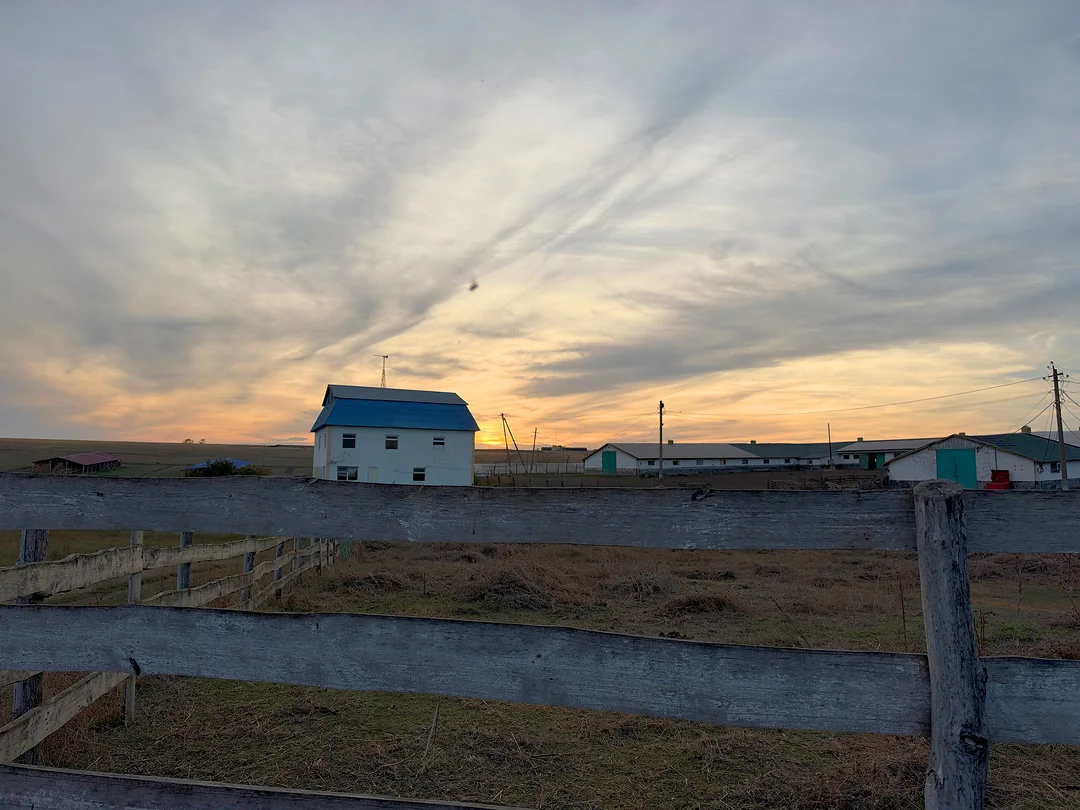
In 1946, the village was wiped out. The Soviet army wanted the land for a tank training camp.
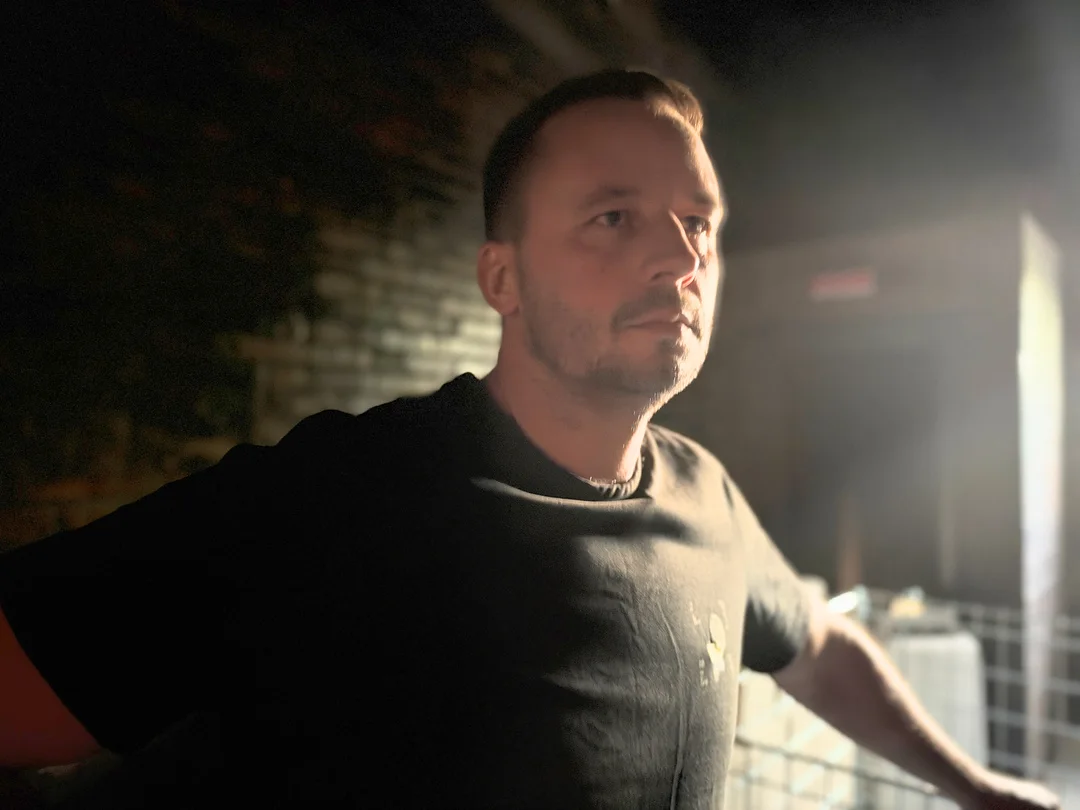
That's when Volodymyr Palariyev's grandfather and all his friends and family were forcibly relocated. It would be 60 years before they returned. A gap that today lives on the wind and in Palariyev's heart.
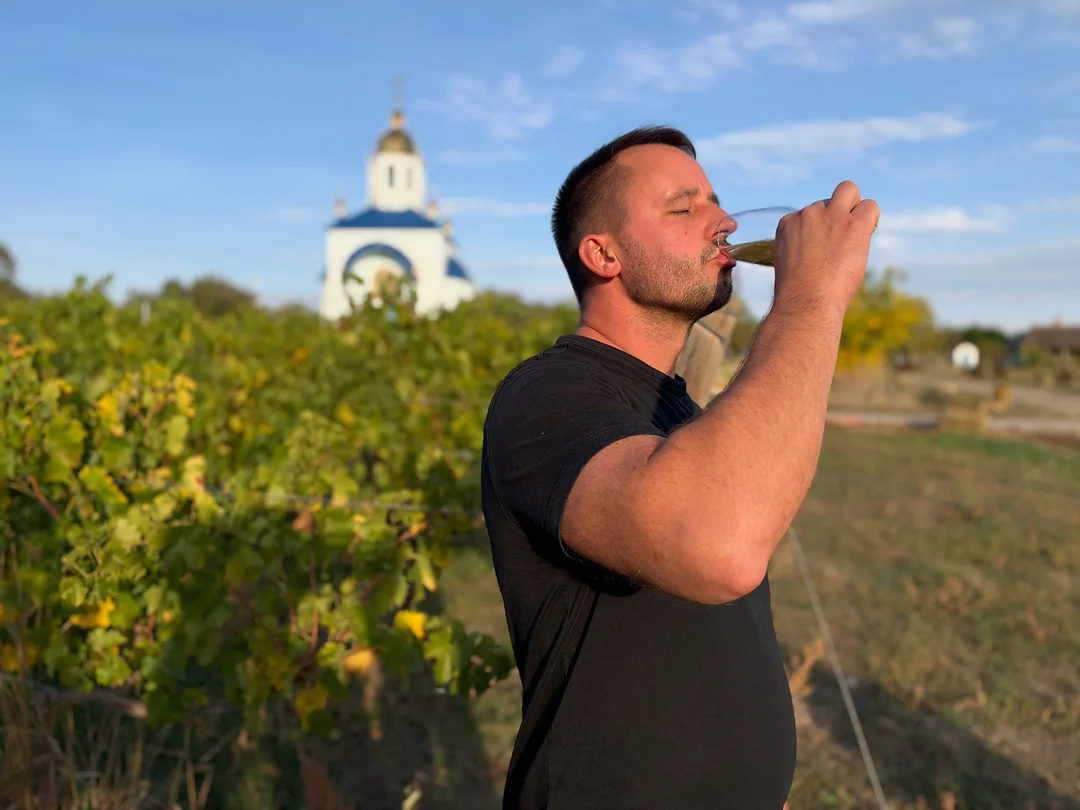
His winery now is the heart of the town, evidenced by another sign. Land of honey and wine and cheese, it says. And when Palariyev pours a glass of his robust Odesa black that sucker punches with fruit and tannins, it again is hard to argue.
"There is a tradition in this region that you need to meet your guest with a glass of wine," he said.
Today, it's not the Soviets, but the Russians, of course. Luckily, they seem far from here. It's hard even to hear the air raid sirens, Palariyev said. But they feel them.
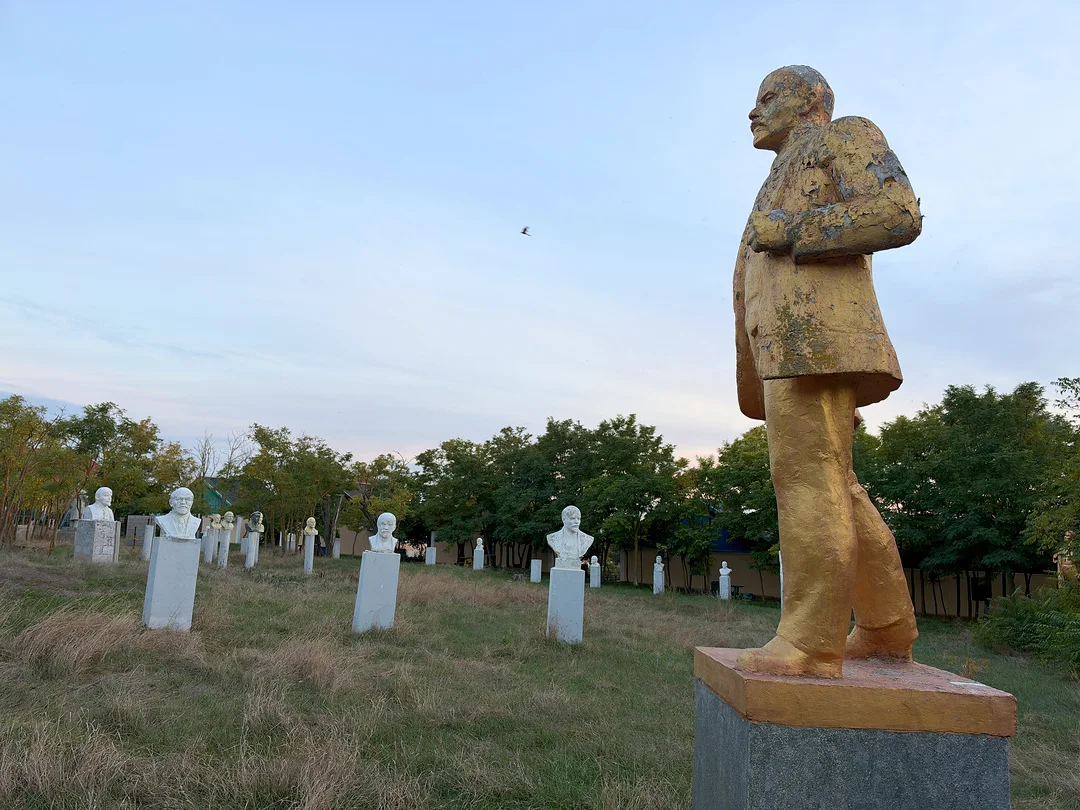
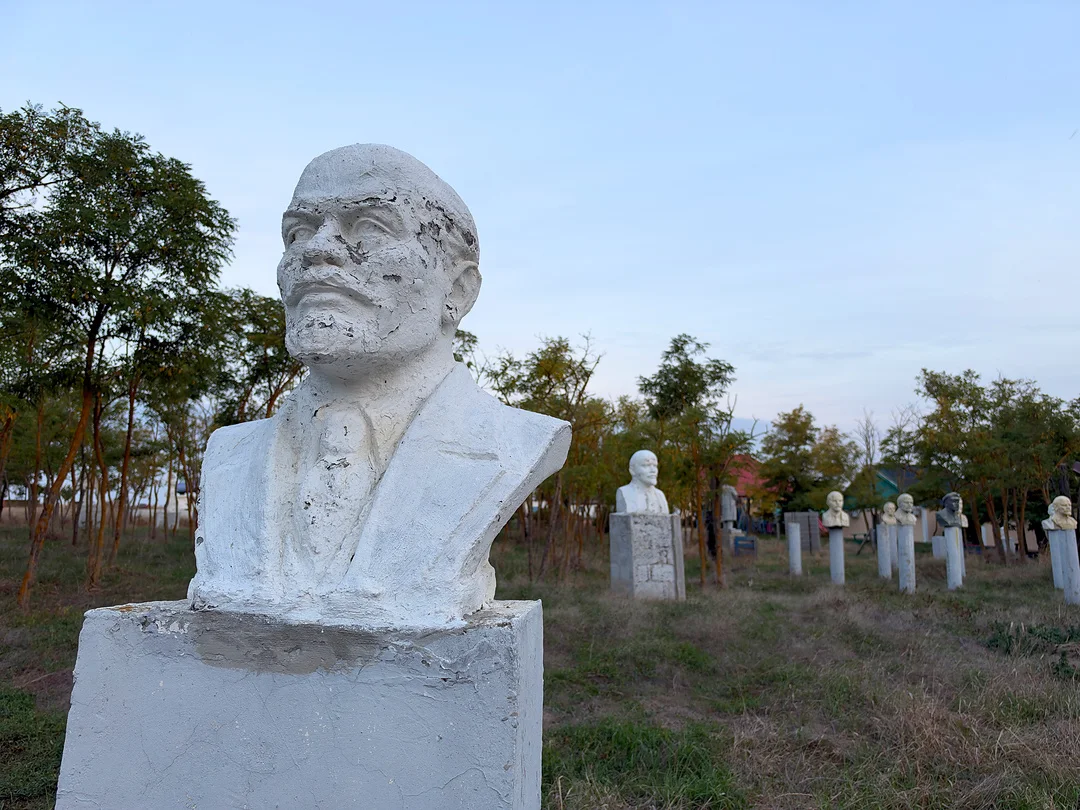
In its isolation, Frumushyka-Nova—literally, new beauty—has grown pleasantly quirky. Walk into the fields beyond the winery and you find yourself in a graveyard of Lenin busts, all collected by Palariiev's father from local homes and farms.
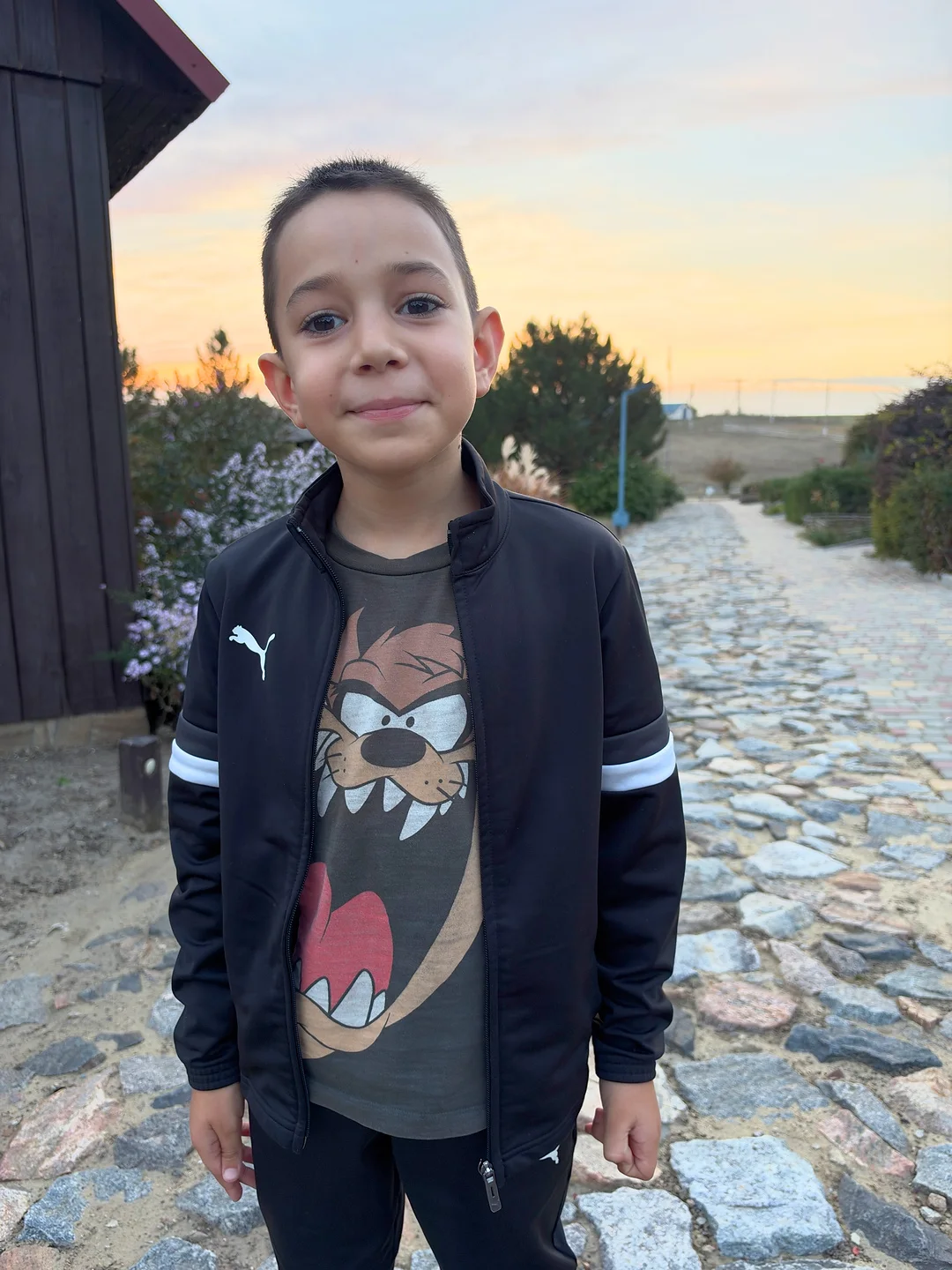
A boy racing through the overgrowth around them seemed happily oblivious to the history, then and now. He mostly was excited to meet an American journalist. Offered a chance at the camera, he proved himself a decent shot.
Eighty years on from his grandfather's expulsion, Palariiev hopes for a history that doesn't repeat. But he plans for the worst.
"If the Russians come here, we will make them drunk on wine and while they sleep we will slit their throats."
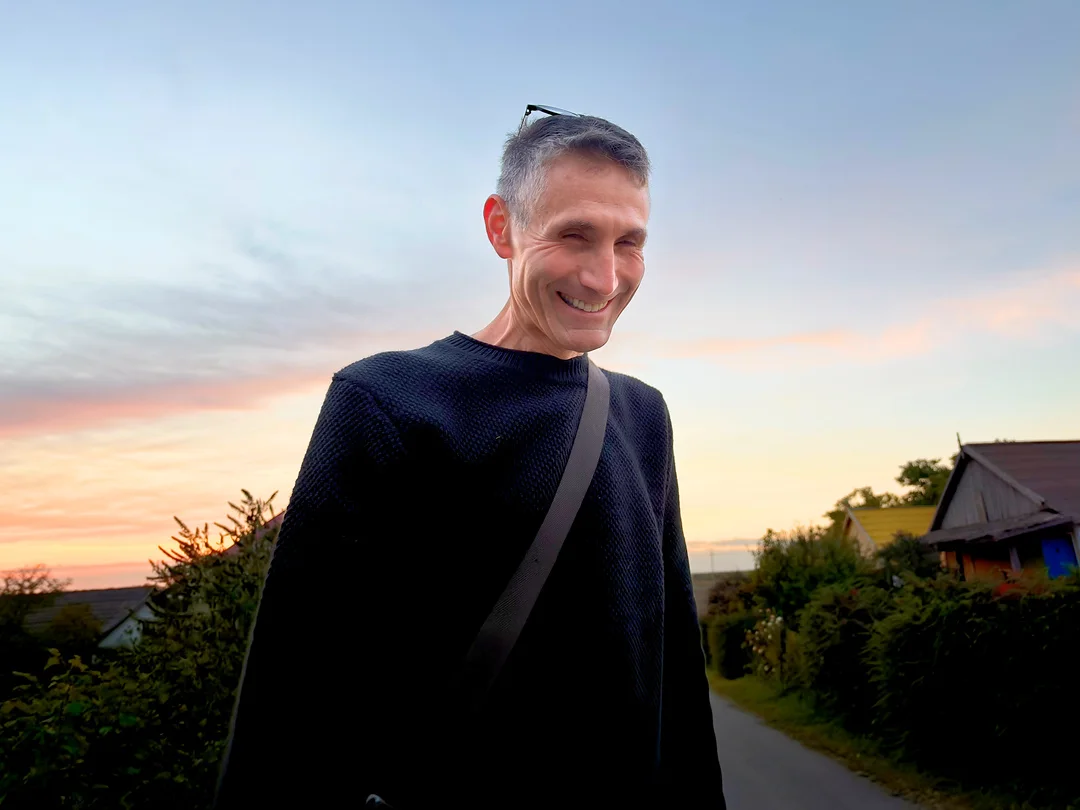
Originally shared as a dispatch from the field. View the original post