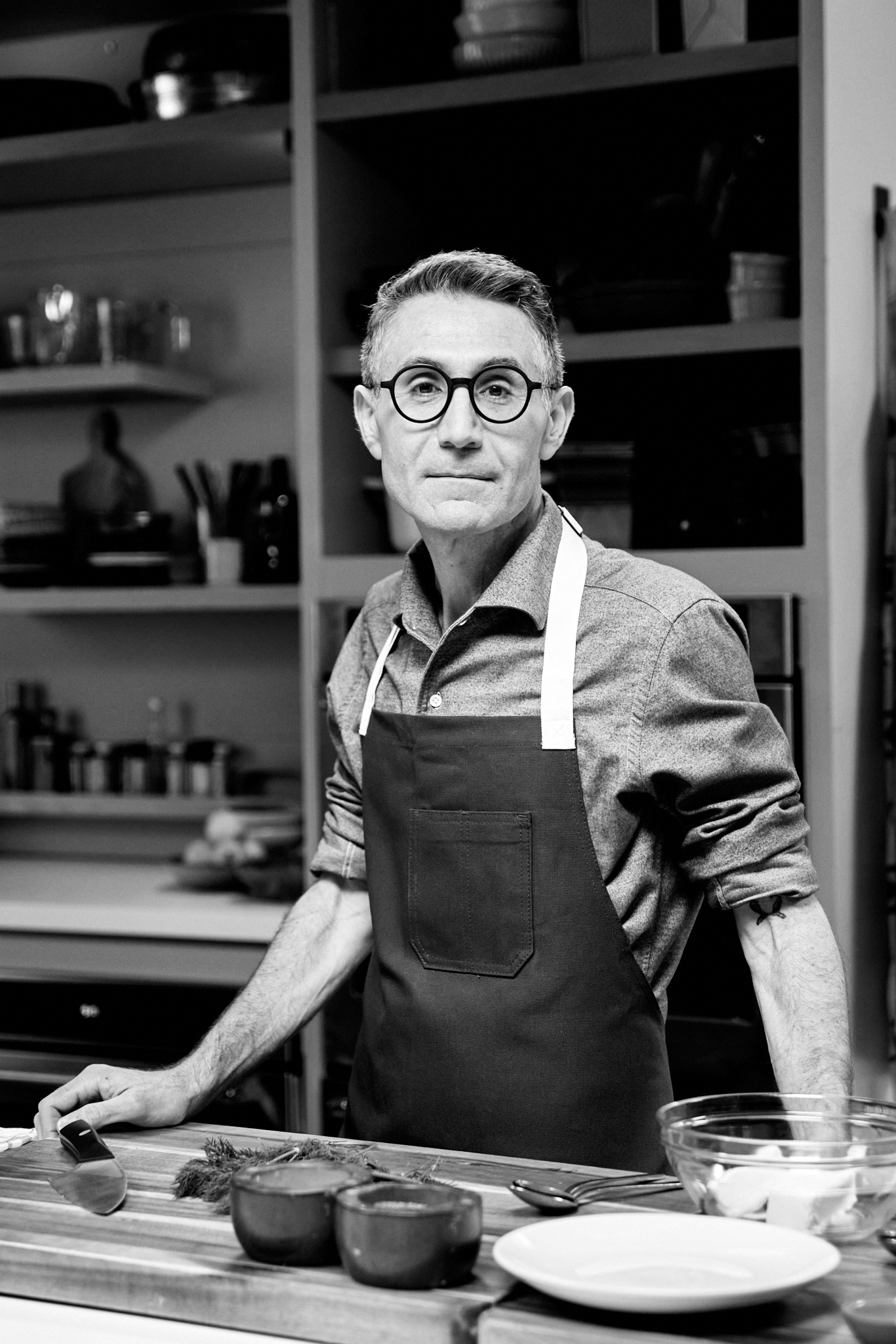
Santa María Atzompa, Mexico
Outside Oaxaca, Ines Torres Garcia Uses Clay to Bridge the Past to the Future
In Santa María Atzompa, a potter passes generations of knowledge to her children, hoping to keep her community's heritage alive.
By J.M. Hirsch
SANTA MARÍA ATZOMPA, Mexico — Four generations, at least. Probably more. Ines Torres Garcia isn't sure.
She knows her grandmother taught her the craft, coaxing rustic black and green plates, platters, cups and bowls out of clay scraped from the rich hillsides around her.
And she knows her grandmother had learned it from her own mother. Beyond that, the lineage is hazed. She is clear, however, on the future. Or rather, the future she hopes for.
"I've been doing this my entire life, and now I'm teaching my children," she said. "It's our heritage. If they don't do it, we will lose our culture. It will disappear."
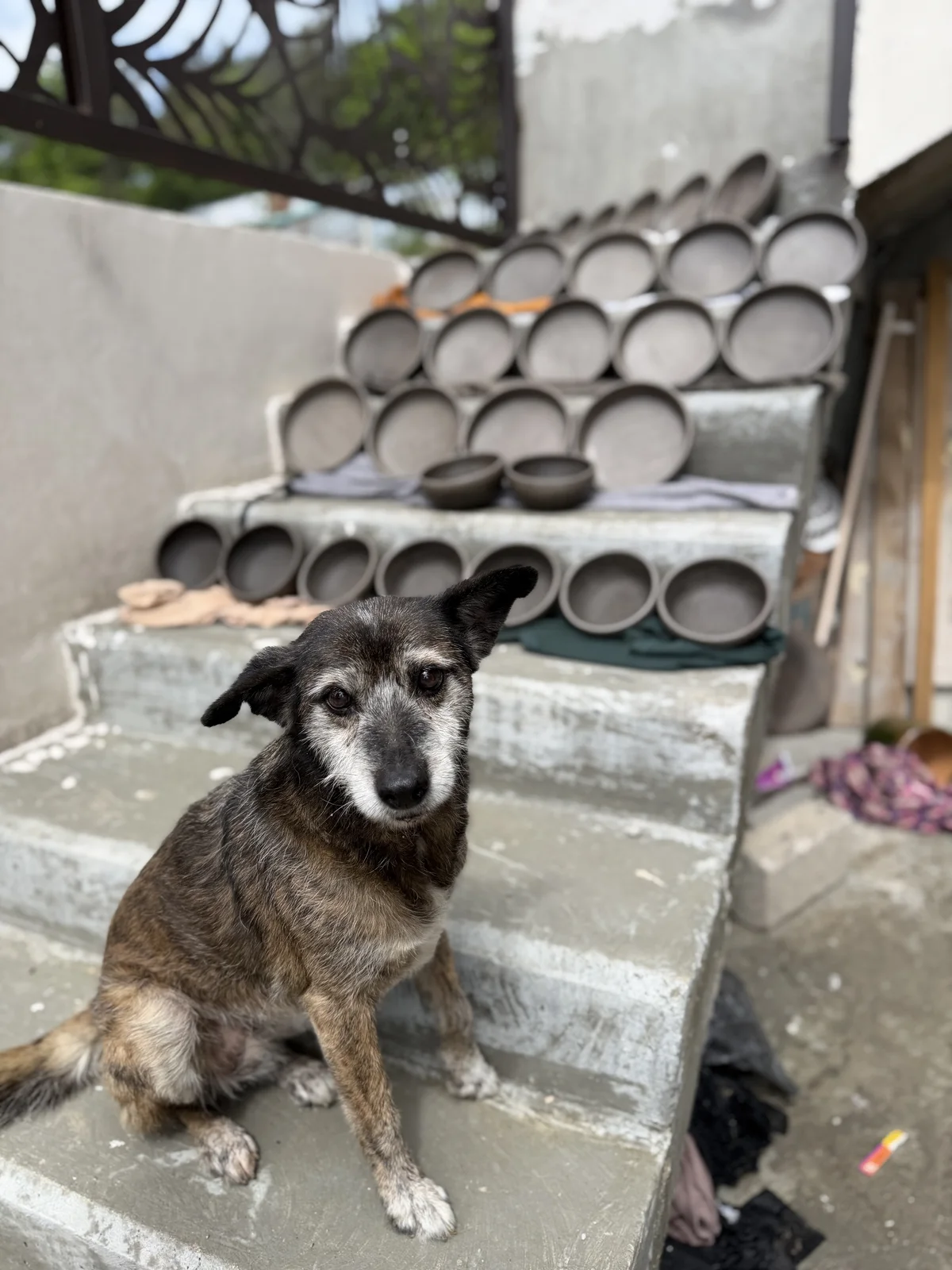
Her home is cacophonic, still-damp plates and bowls staggered across the roof, drying in the sun. Finished pieces heaped and piled on tables, shelves, the ground, some teetering in towers large enough to give shelter to the chickens and cats that roam.
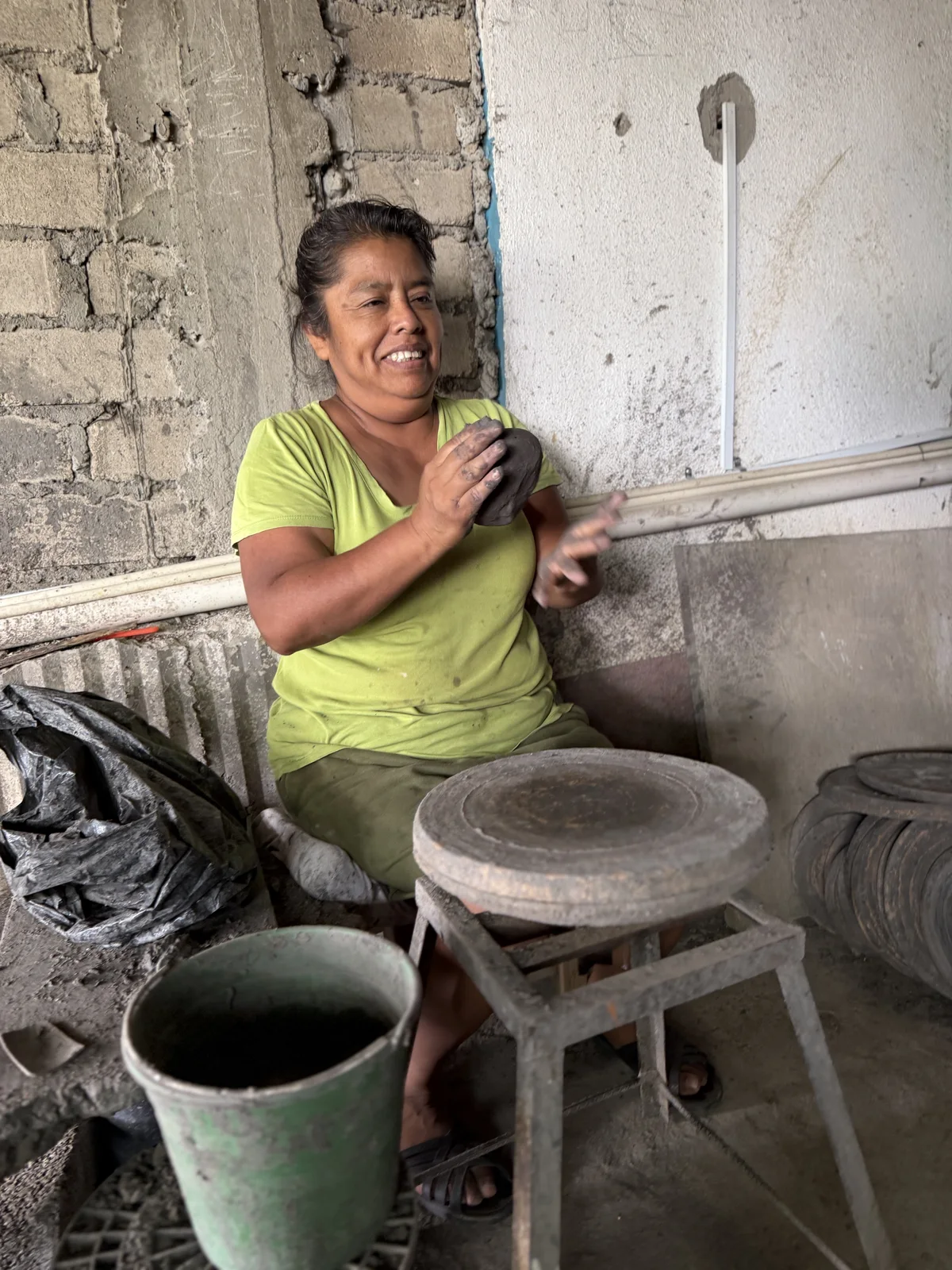
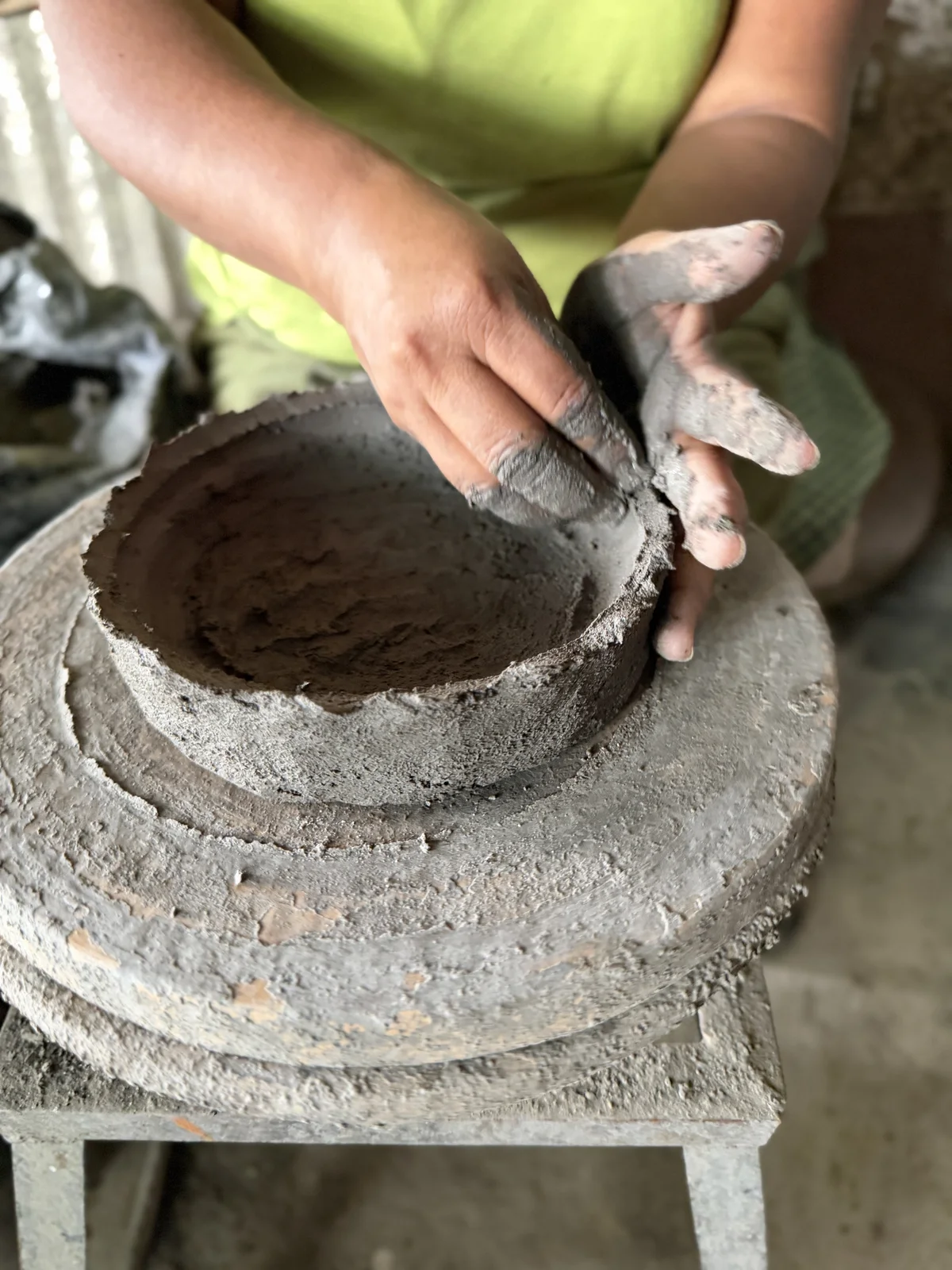
"I'm going to make you a tortilla holder so you can see how it's made," she said, sitting at her throwing wheel, the soft clay graying her fingers quickly as she dragged the mound upward at the edges, creating a wide, flat bowl.
Like her mother, grandmother, great-grandmother and unknowable others before her, she makes two types of pottery.
Barro verde, the "green pottery" for which her community some 30 minutes outside Oaxaca is known, is a tradition that stretches to the seventh century.
The men mine the clay from the 10 kilometers of hills that roll between Santa María Atzompa and San Lorenzo Cacautepec. The women mold, forming wondrously, organically irregular tableware. You can't help but touch it.
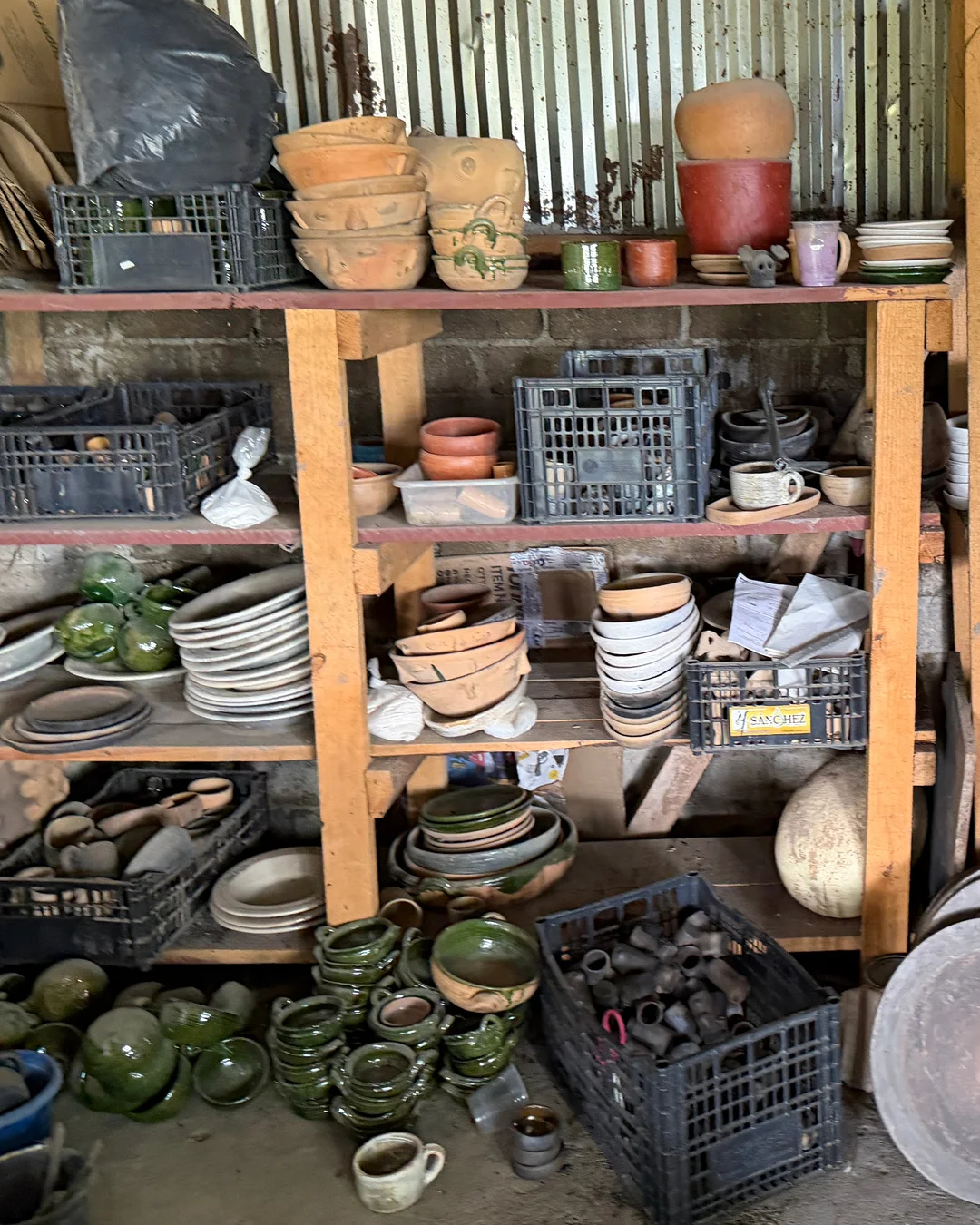
And barro negro, cookware formed from the black clay pulled from La Laguna, the simply named dried lagoon nearby. Ash still clings to pieces of it. That's part of the tradition.
"The way they are smoked and polished is the ancestral style," Garcia explained of the firing process in which the vents of the kiln are blocked to smother the pottery inside in smoke, giving it a gloriously charred look. "It hasn't changed."
And she hopes her children will ensure it doesn't.
Originally shared as a dispatch from the field. View the original post