Koblevo, Ukraine
Two Shots of Vodka and a Bowl of Borsch in an Abandoned Ukrainian Resort Town
In Koblevo, a soldier takes a day’s respite, a cook keeps a hotel going, and a handful of neighbors gather to support one another.
By J.M. Hirsch
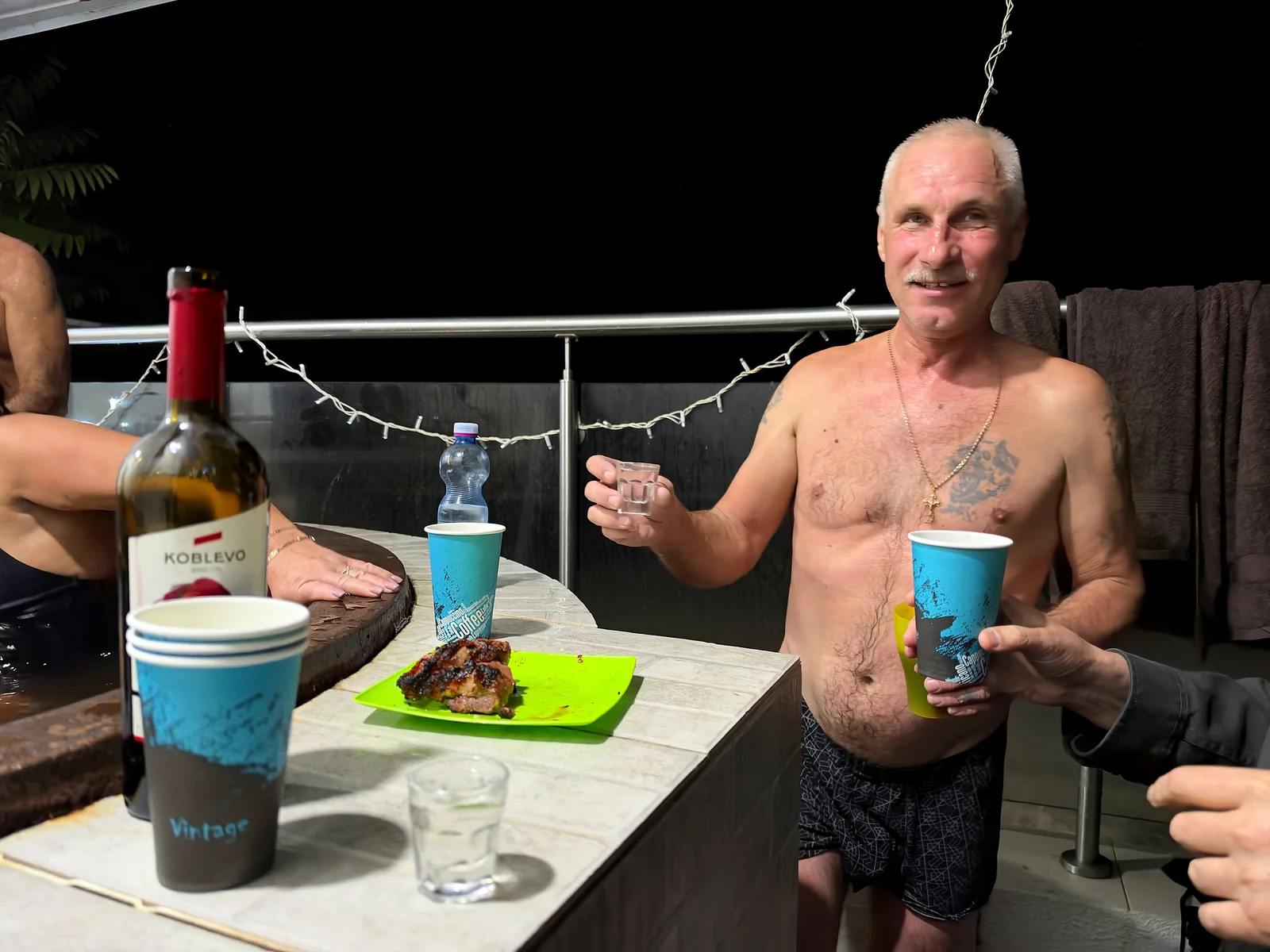
KOBLEVO, Ukraine — It took only two shots of vodka poured from a repurposed water bottle for the soldier to open up.
"It's for the morale," he said as he filled tiny glasses perched at the edge of the wood-fired hotel hot tub in which he and his wife soaked.
He might have meant their one-day seaside vacation. He might have meant the vodka.
"We deserve it," he continued.
He might have meant their vacation. He might have meant the vodka.
From the far side of the hot tub, his wife nodded in agreement to one or both, raising a thickly bandaged arm. A Russian drone had struck the bus she rode to her job as a hospital cook in Kherson.
"I am alive," she said with a shrug.
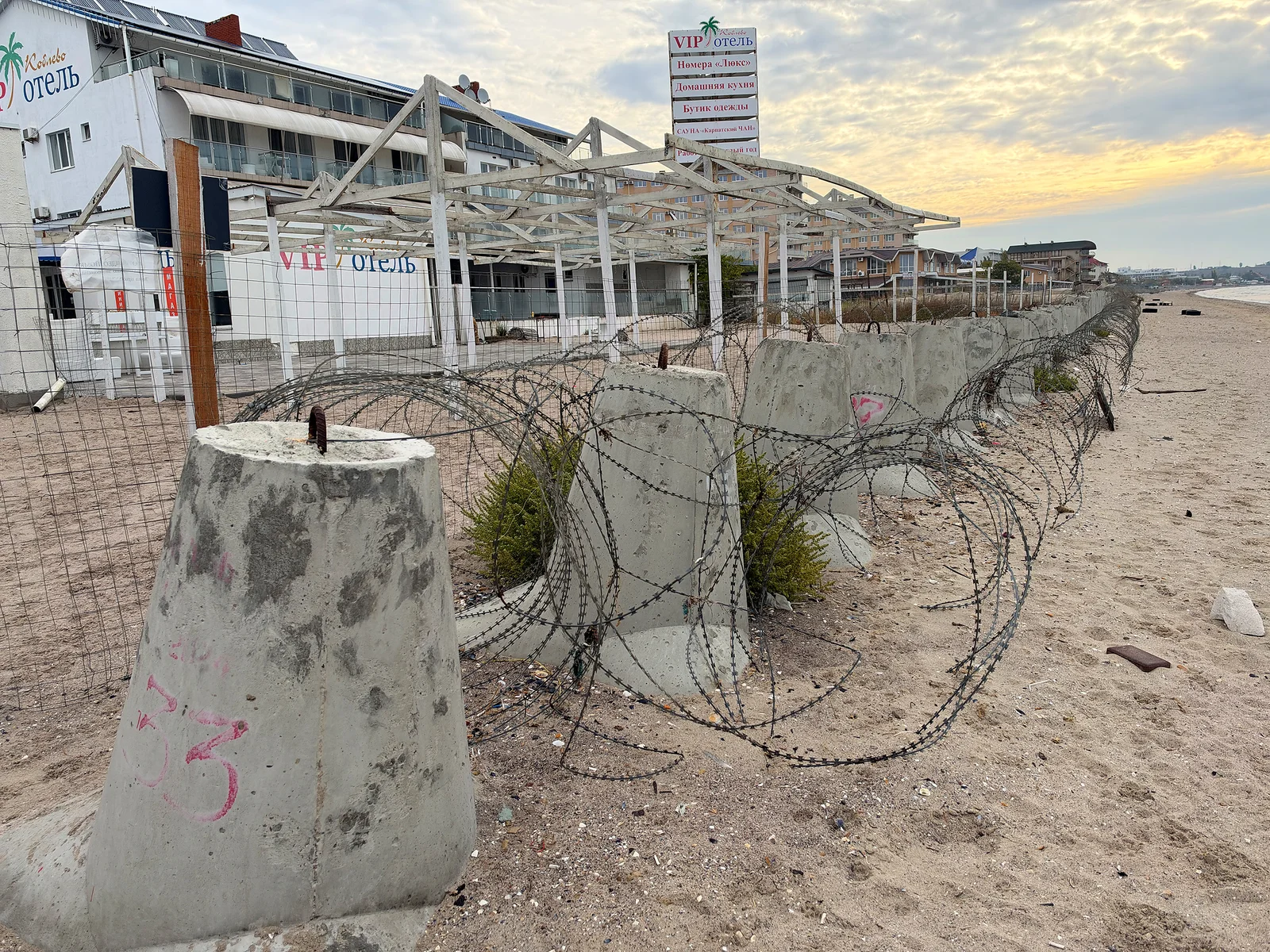
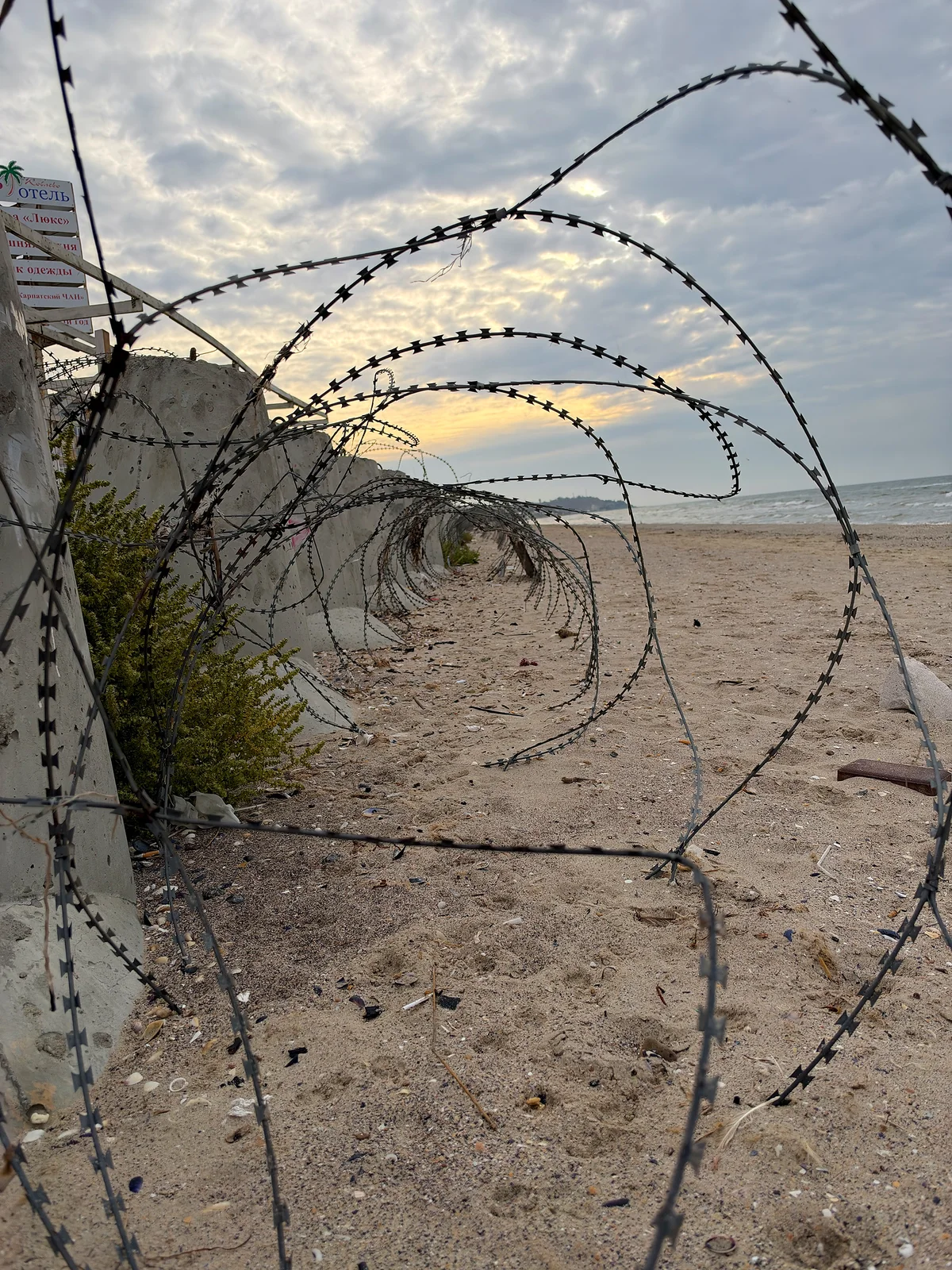
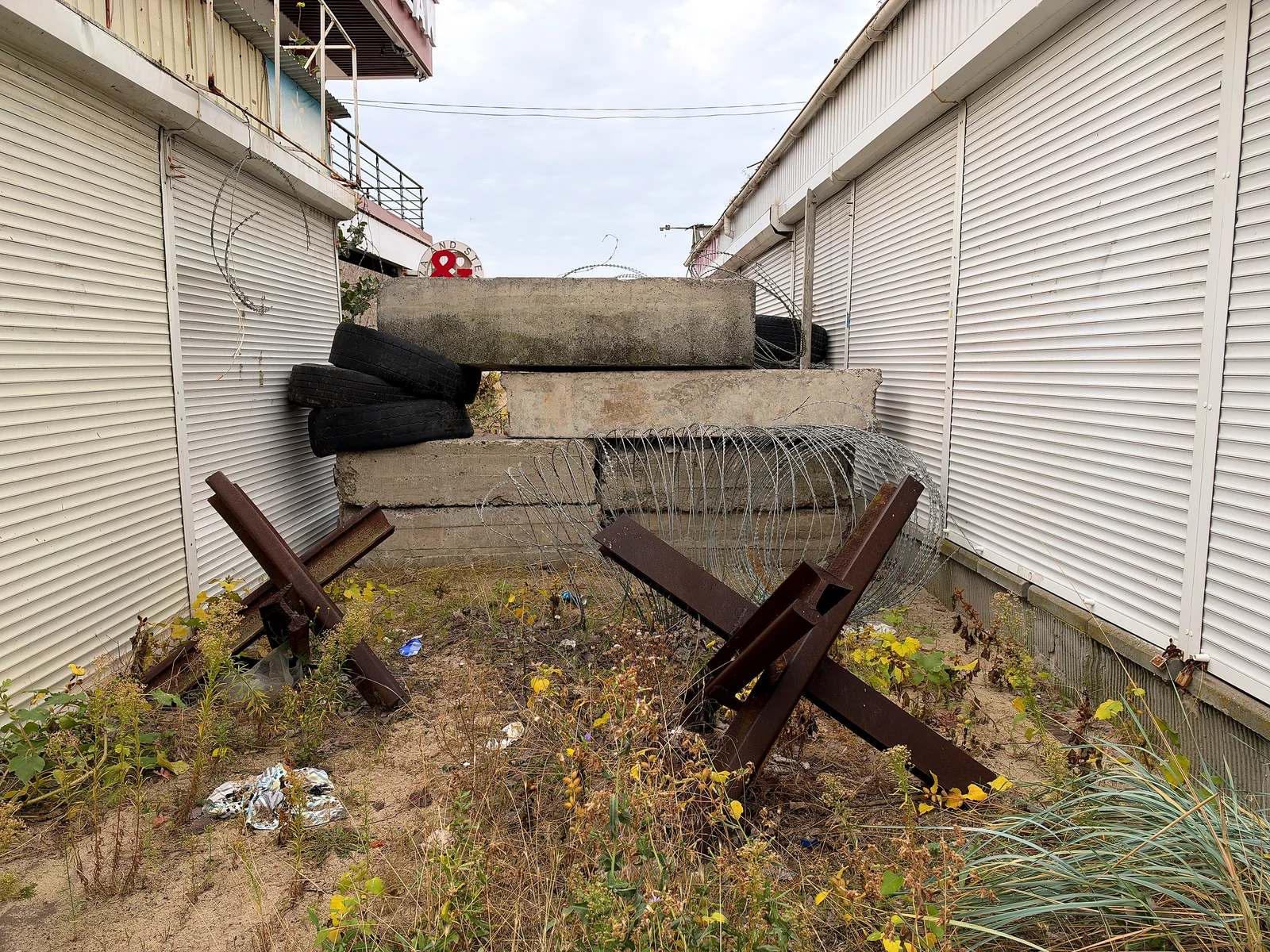
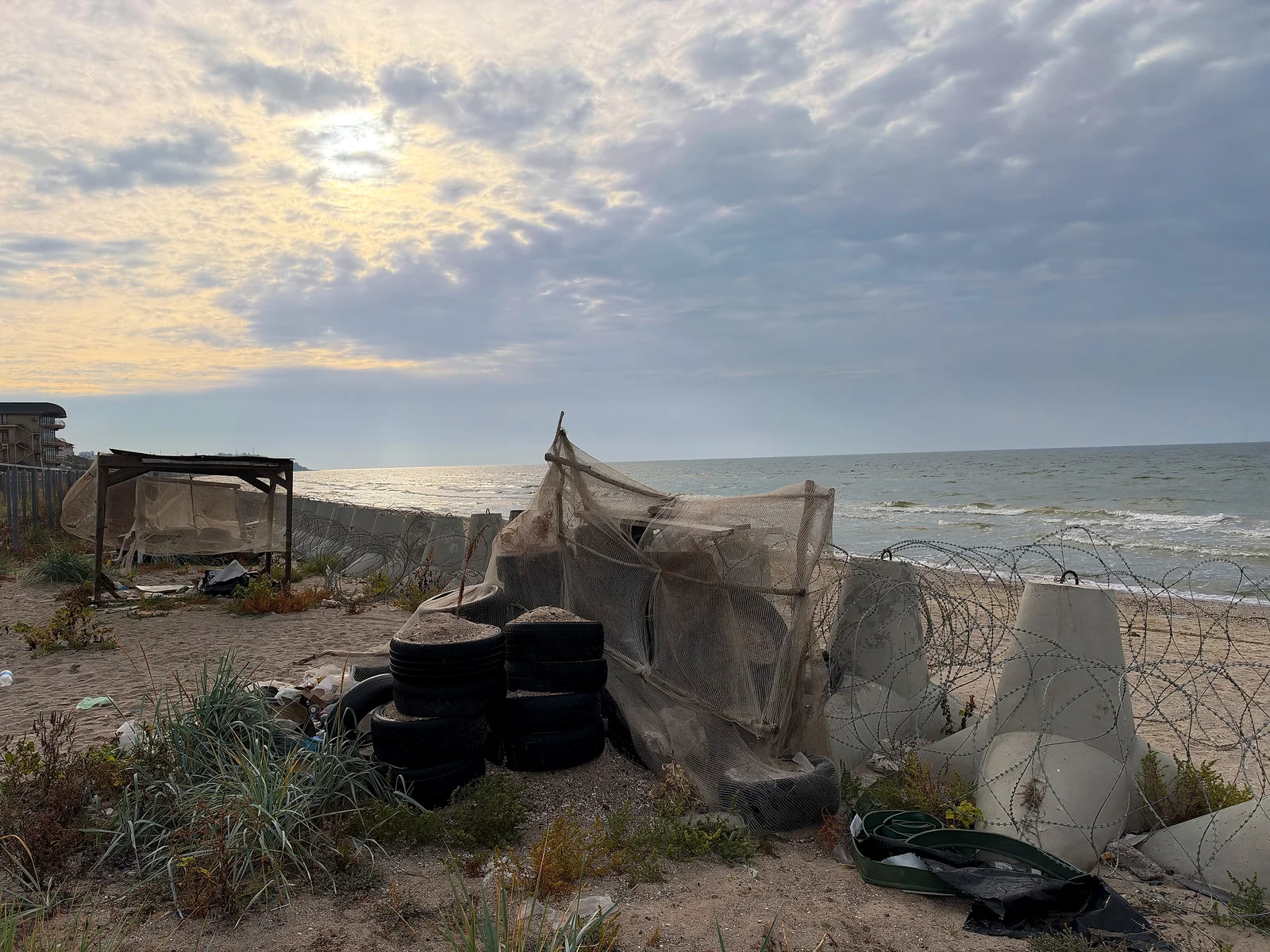
Around us, dark emptiness punctuated only by the thrump of post-Soviet techno blasting onto VIP Hotel's vacant, outdoor dance floor that sprawled toward the sand and sea. And toward the thick coils of razor wire and concrete dragon's teeth that kept us from both.
Deeper into the darkness, the shells of hotels, restaurants, massage studios and water slides that no longer. Streets overgrown with weeds, rooftops torn and twisted. Before the war, the resort town packed tens of thousands of vacationers along the Black Sea.
Today, about a dozen people persist.
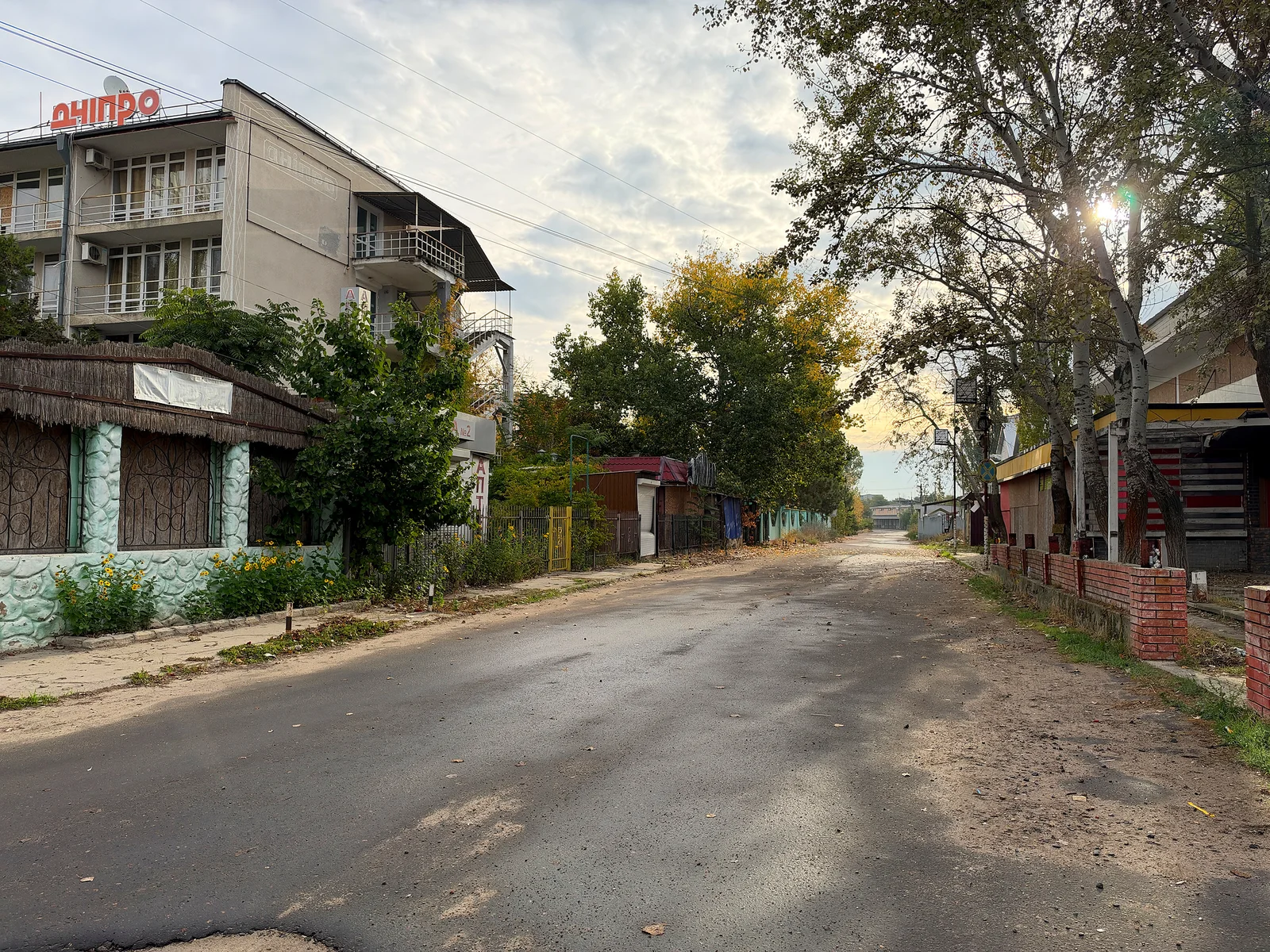
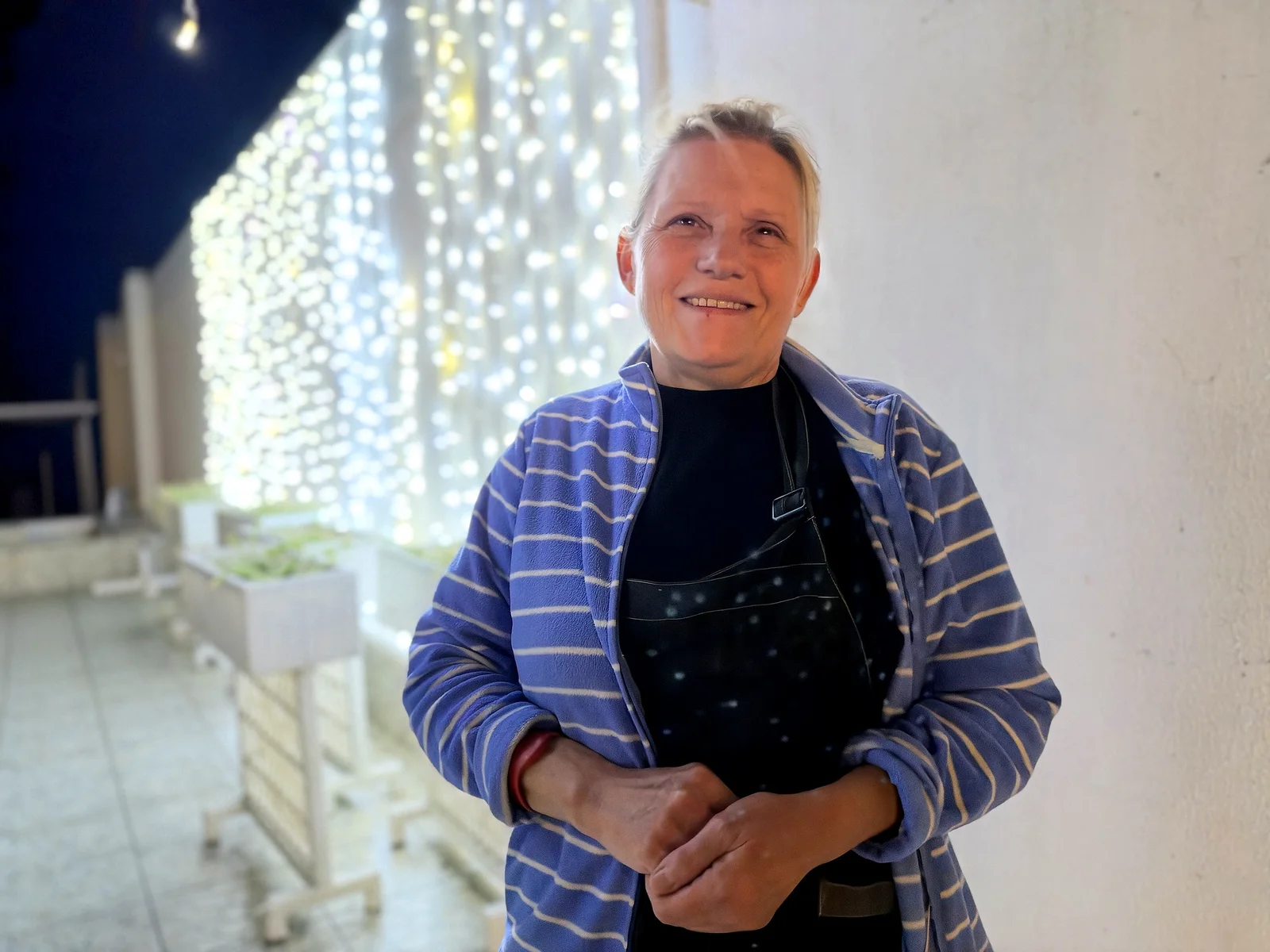
Tetiana is one of them. She started at the hotel as a cook. As the war has gone on, promotions mounted as staff dwindled. General manager. Front desk clerk. Housekeeper. Groundskeeper. She does it all.
Luckily, she still cooks. It was 10 p.m., but she was happy to pull together a pot of savory-sweet borsch thick with carrots and chunks of pork. A side of buckwheat with a massive wedge of butter melted into it.
"Most of the people are tired of being afraid, so they vacation, even if only for a day," she said.
There isn't much to do in Koblevo now. Most nights, those dozen or so people gather down the street at Mahazyn "U Borody"—literally, Shop "At the Beard's"—a convenience store with a smattering of produce and a covered front patio where wine is poured in darkness.
"Friends get together so it won't be boring. We support each other," shop owner Olexander Volovod said. "Almost every evening, we meet. We tease each other. And perhaps hold each other's hands."
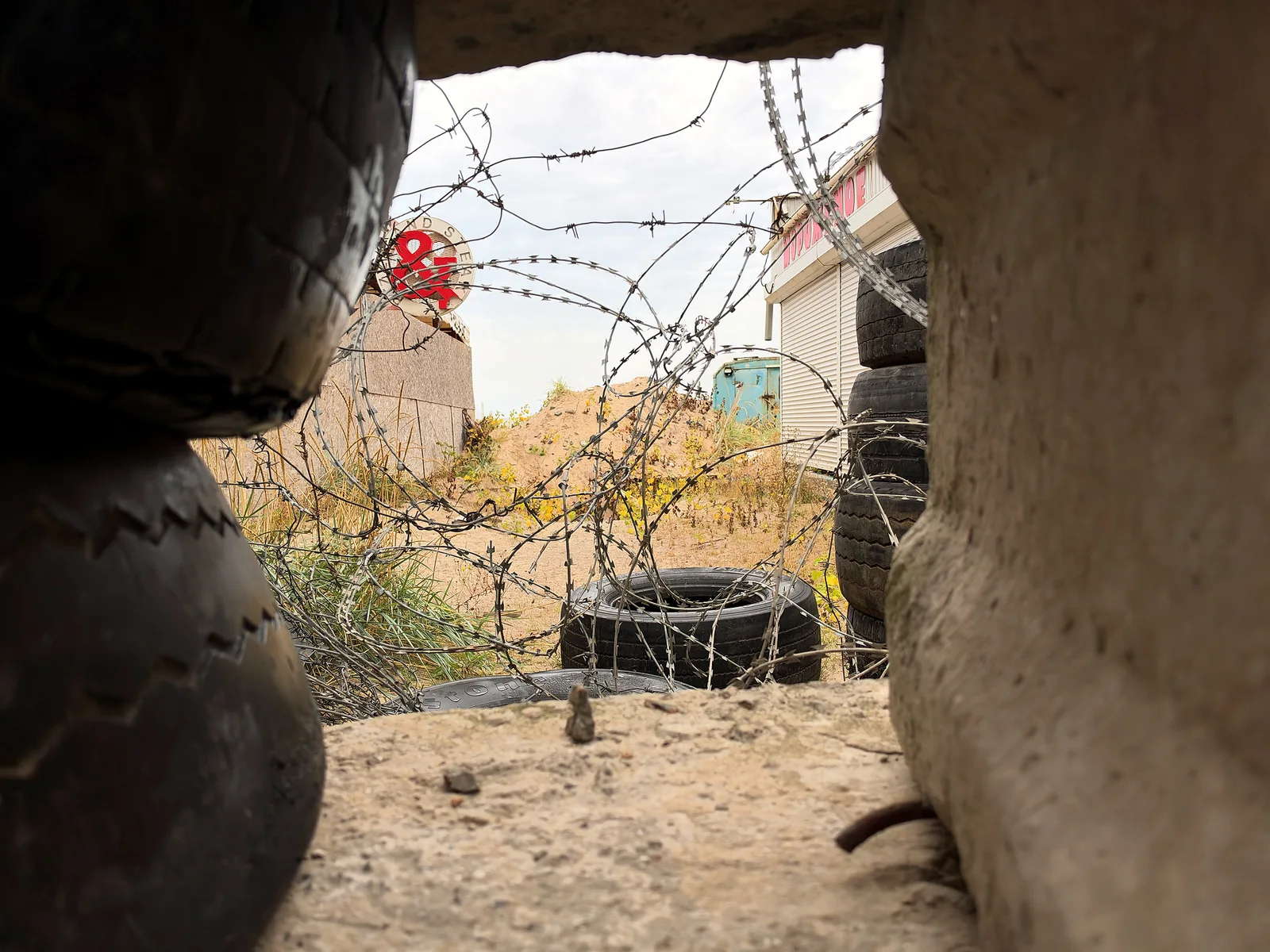
Tetiana doesn't know what happens next. So she works, recalling the days the kitchen hummed from 8 a.m. to 11 p.m. with buffets on the beach. The work mostly is to distract her.
"My granddaughter was 12 when the war started. At the time, she told me, 'I have a concrete wall in front of me. I can't see anything in front of me,'" Tetiana said. "Now she is 16 and she still has a concrete wall in front of her."
Originally shared as a dispatch from the field. View the original post