Kyiv, Ukraine
In the Rubble of Kyiv's Lukianivskyi Market, Mothers-in-Law Get No Grace
Vira’s pickles and Galya’s mushrooms return to a market gutted by Russian attacks. The community that 144 years built is harder to restore.
By J.M. Hirsch
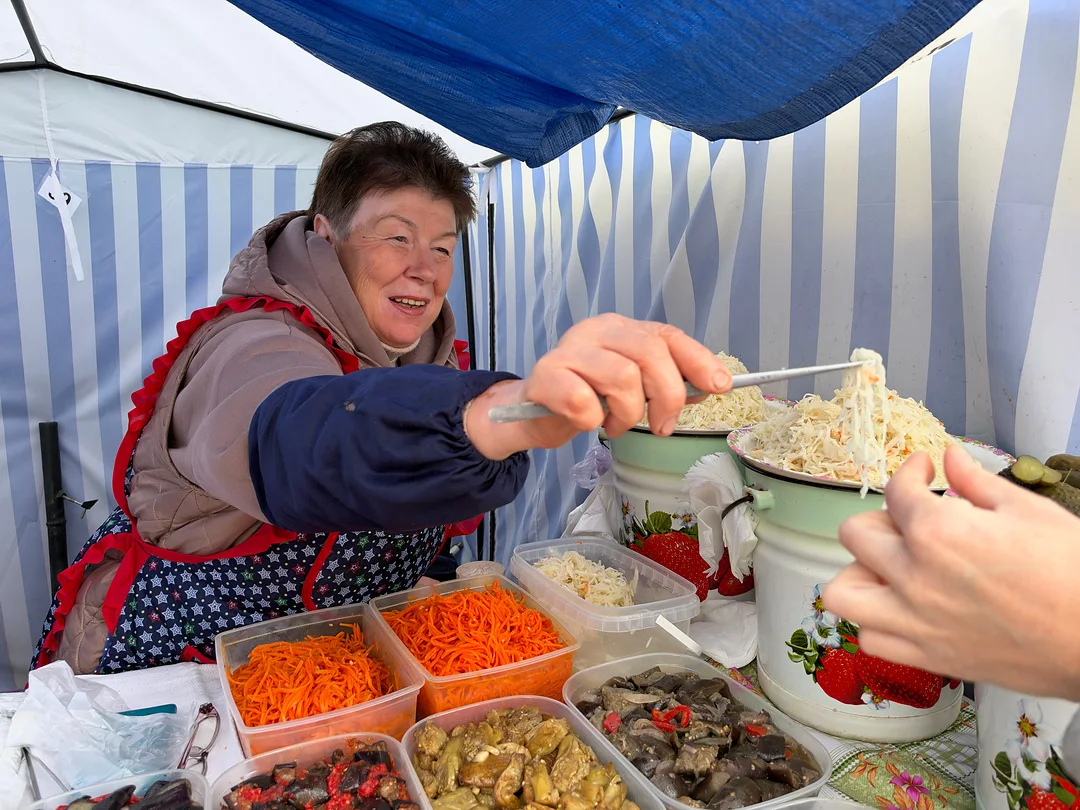
KYIV, Ukraine — No words for her anger. Not at first.
But when they came, they were succinct. And sharp.
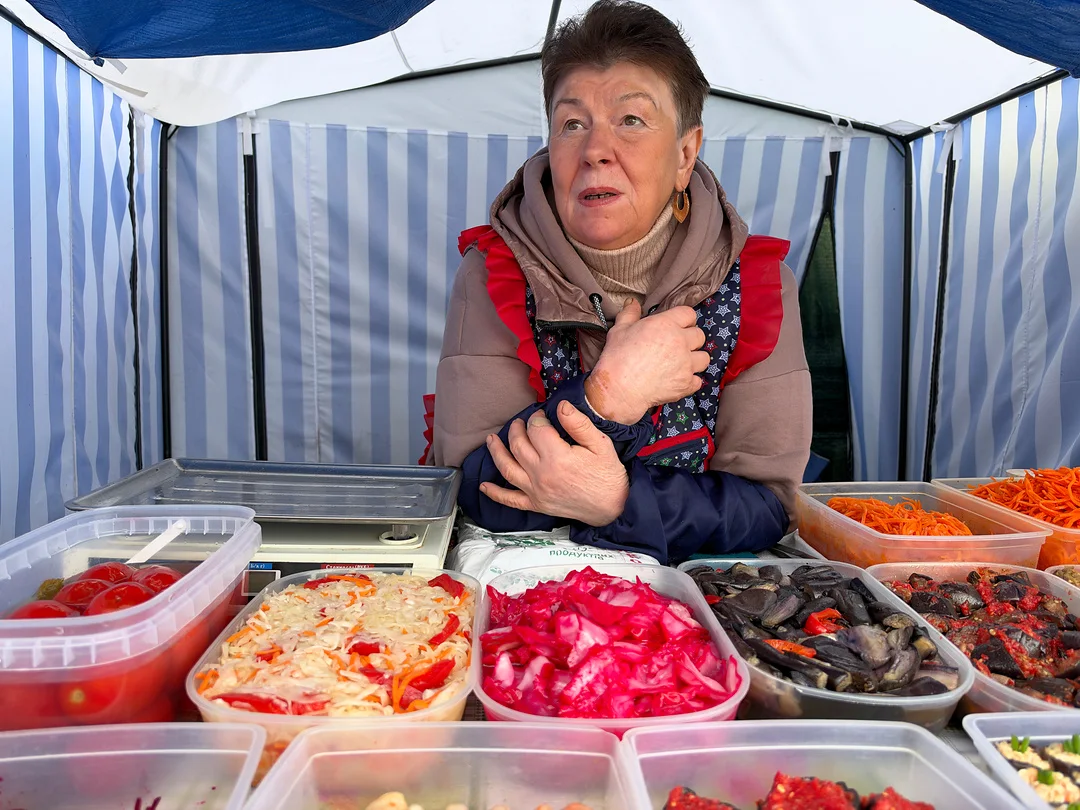
"There is no person in Ukraine who hates the Russians more for doing this than me," Vira said as she fussed with her 20 or so bins of pickles, slaws, sauces, and stuffed produce.
The air still held occasional acrid whiffs. On the wind, an air raid siren wailed. She didn't seem to notice.
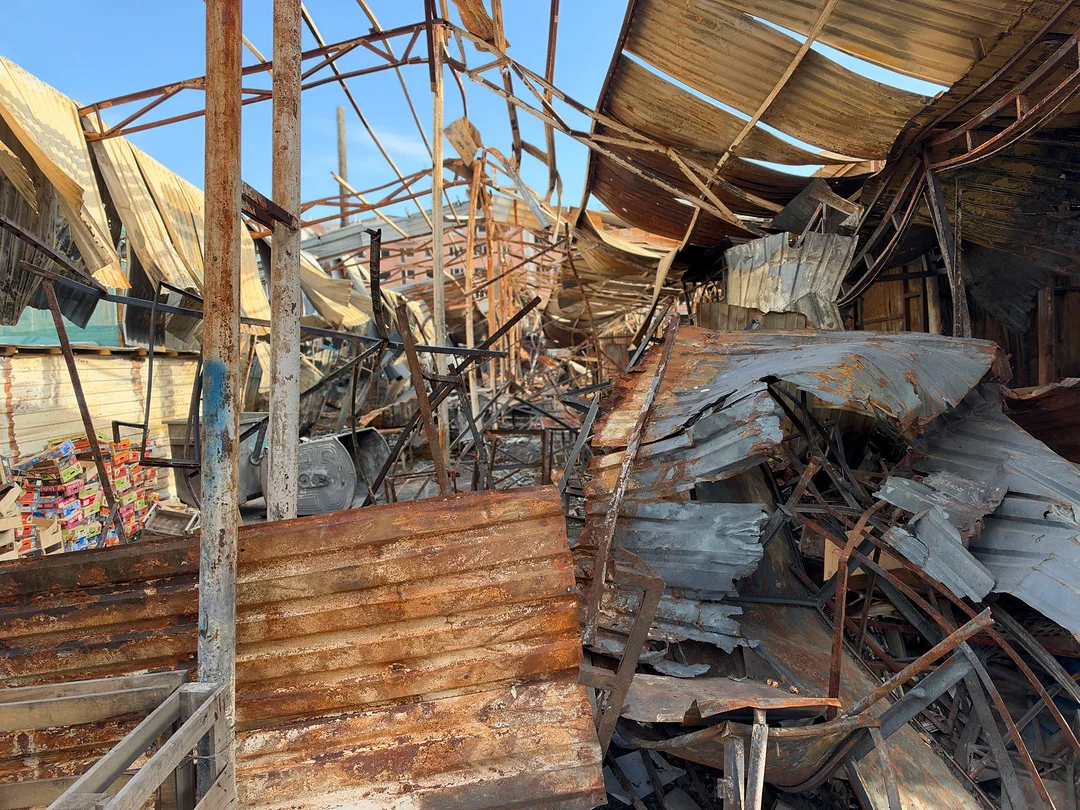
One night in late May, a massive volley of Russian missiles and drones pummeled Kyiv's Lukianivskyi Market, gutting the 144-year-old heart of the city's shopping.
It's where Vira has sold her foods—all grown at home, all prepared fresh daily—for 45 years. In an instant, it was gone. Twisted, torn and torched.
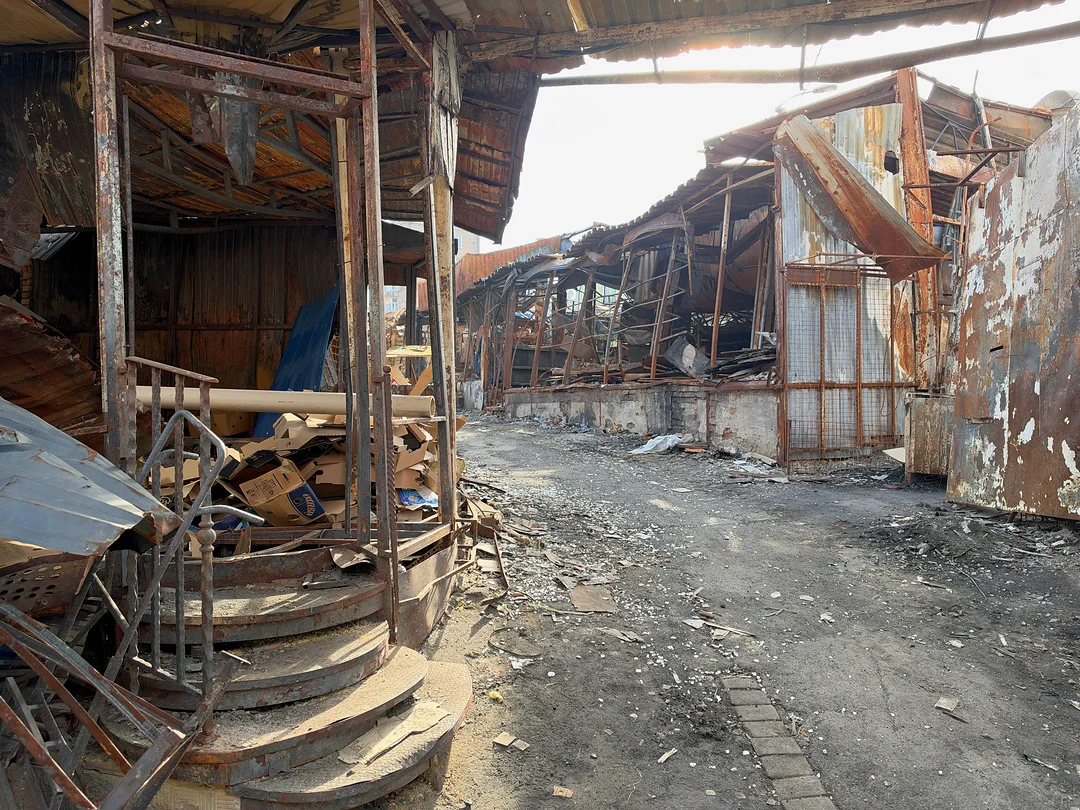
The attack came at night. Luckily, the only casualty was the community that 144 years builds.
"Only" feels perverse.
Vira's days end at 7 p.m. They start at 2 a.m., when she and her husband prep her many offerings. Delicate slices of eggplant roasted and wrapped around cheese and garlic. Mounds of shredded cabbage, carrots and beets fermented until they pop with acidity.
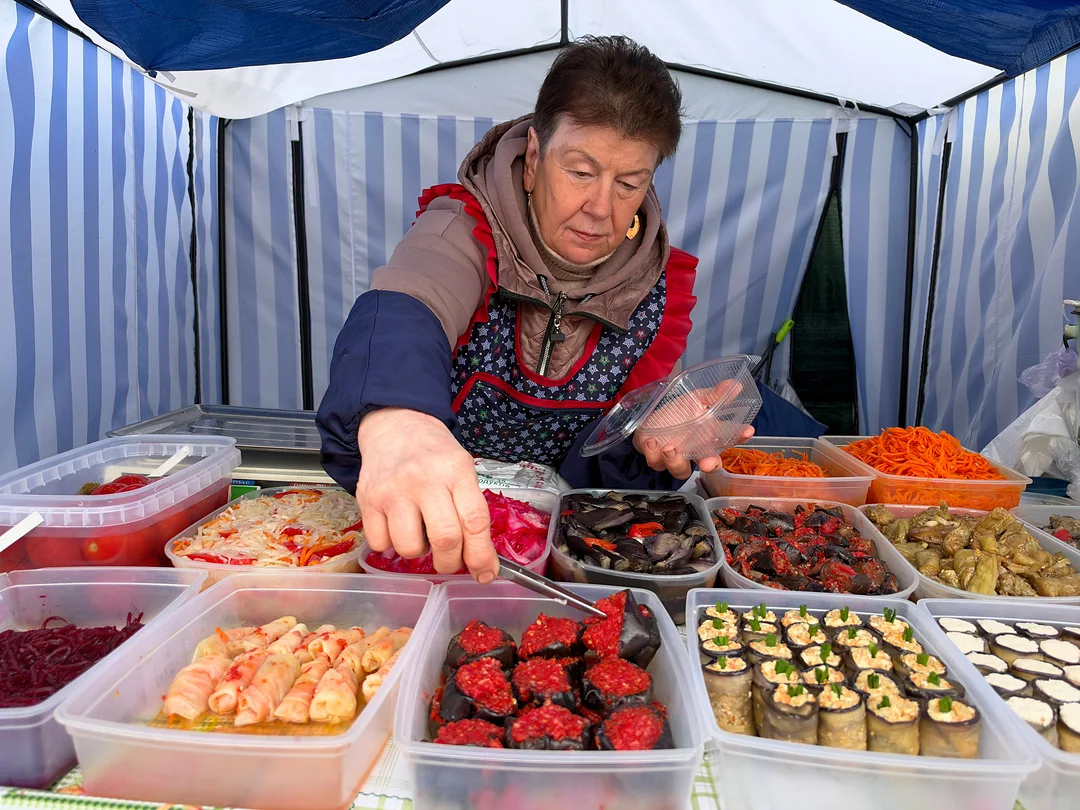
She pointed to a tray of roasted rounds of baby eggplant, stuffed tight with a mash of red chilies, peppers and garlic.
"Mother-in-law's tongue," she said, laughing. "They are very spicy and mothers-in-law always have spicy tongues."
She seemed experienced in this area, so I didn't argue.
Within days of the attack, vendors returned. First across the street, next to the modern shopping center that also was gutted. Later, vendors like Vira returned, too, renting spaces abutting the rubble.
It's not the same. But it's something.
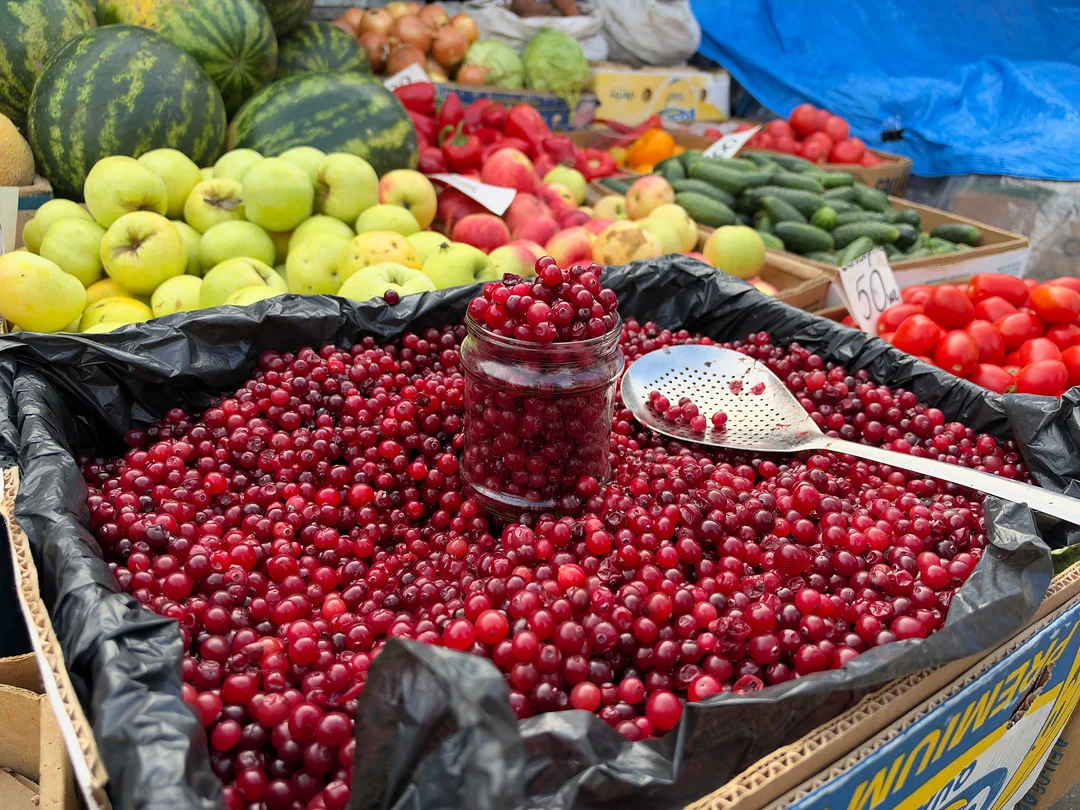
When I visited Lukianivskyi Market in 2023, a year after the start of Russia's invasion, it was orderly. Cheese sellers here, pickles there, meat down one aisle, produce another. Vendors joked and cried. And shared and gossiped.
The sort of community that 144 years builds. The sort of community war starves you for.
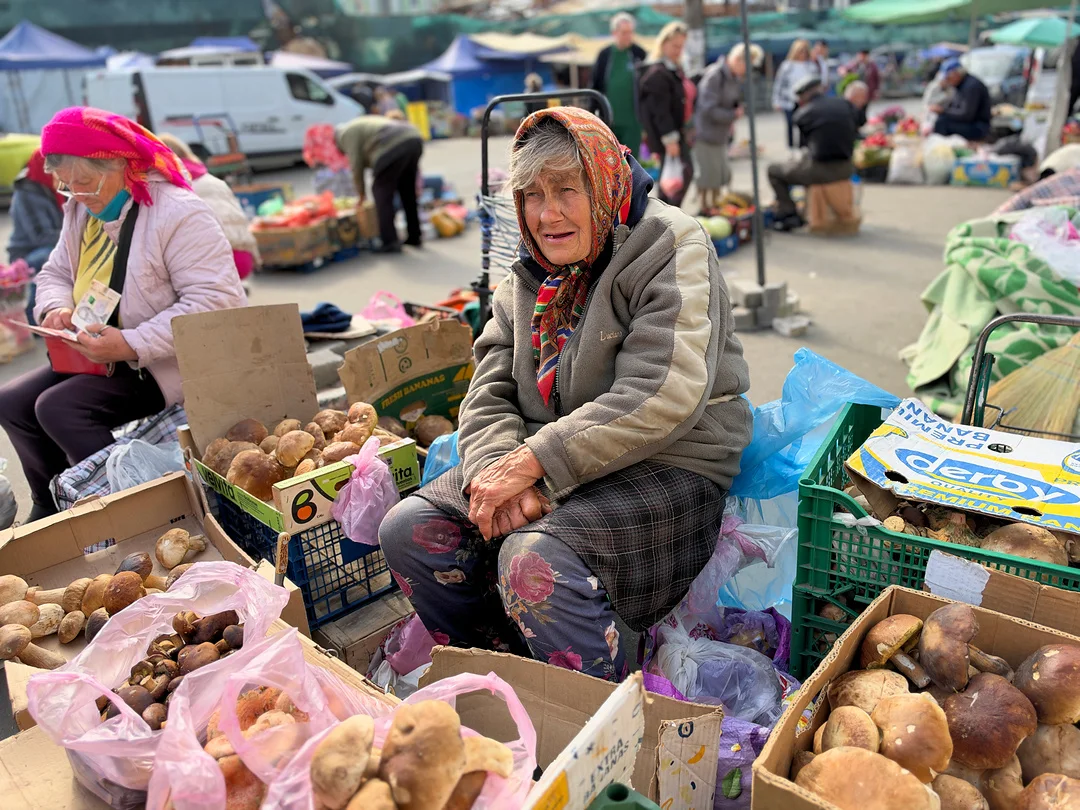
Today, it feels… flaccid and unplanned, a flimsy imposter. There are no jokes. The gossip has gone silent. Vendors sit and simply wait.
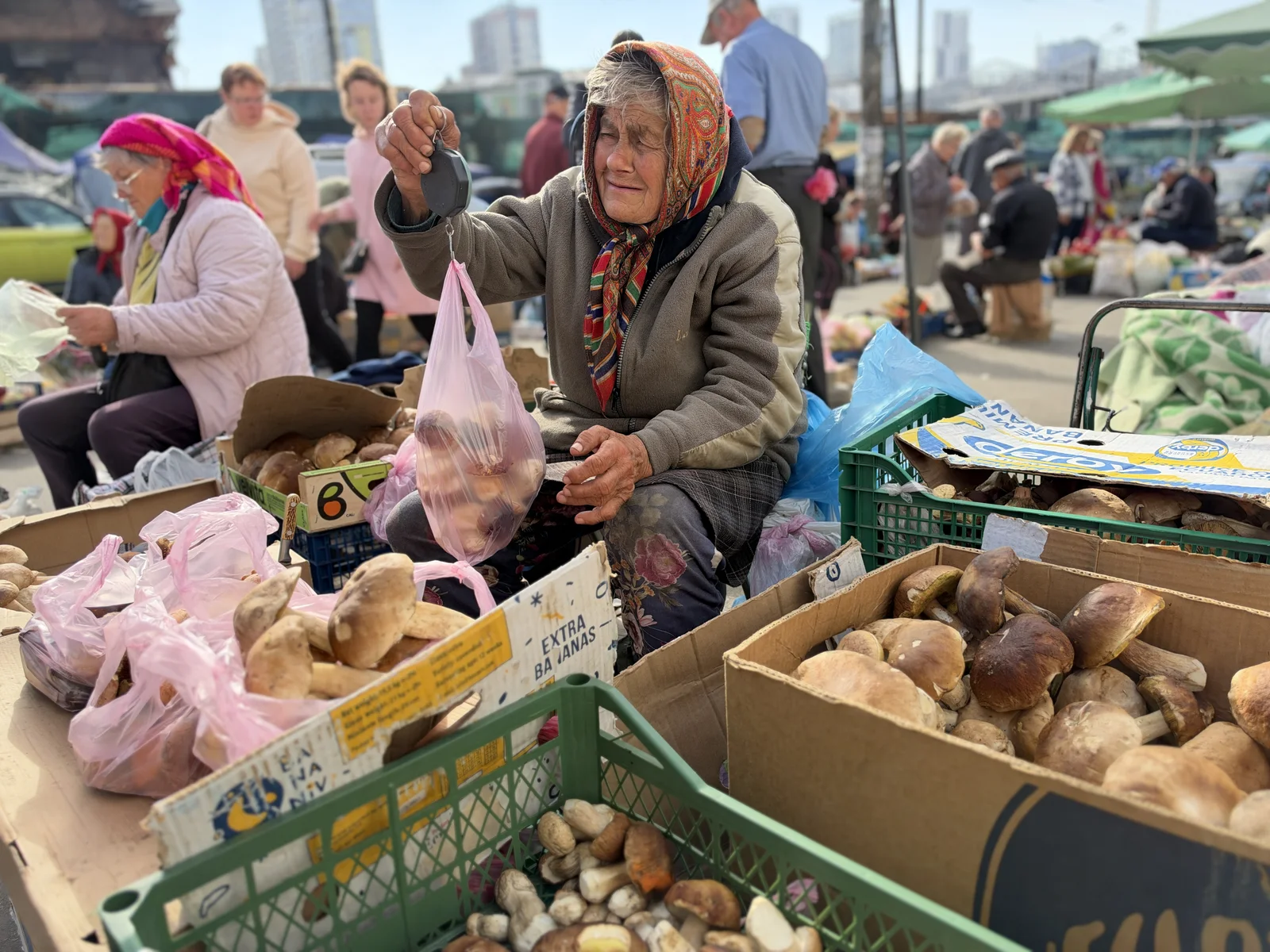
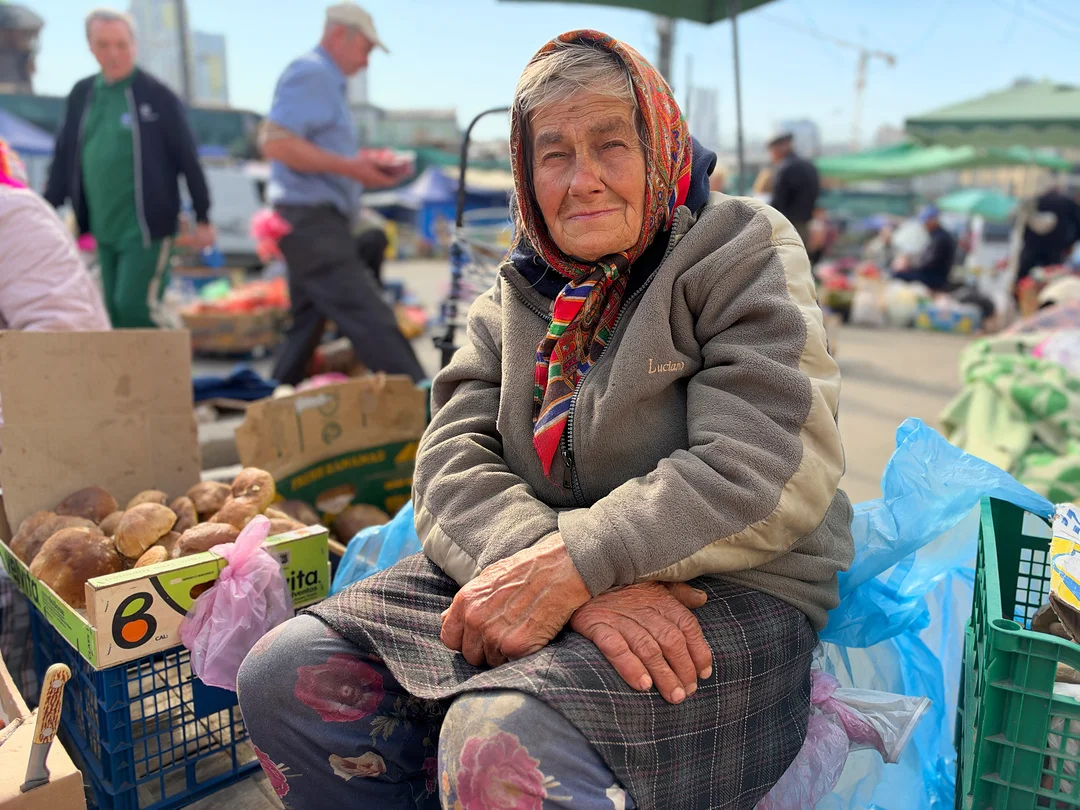
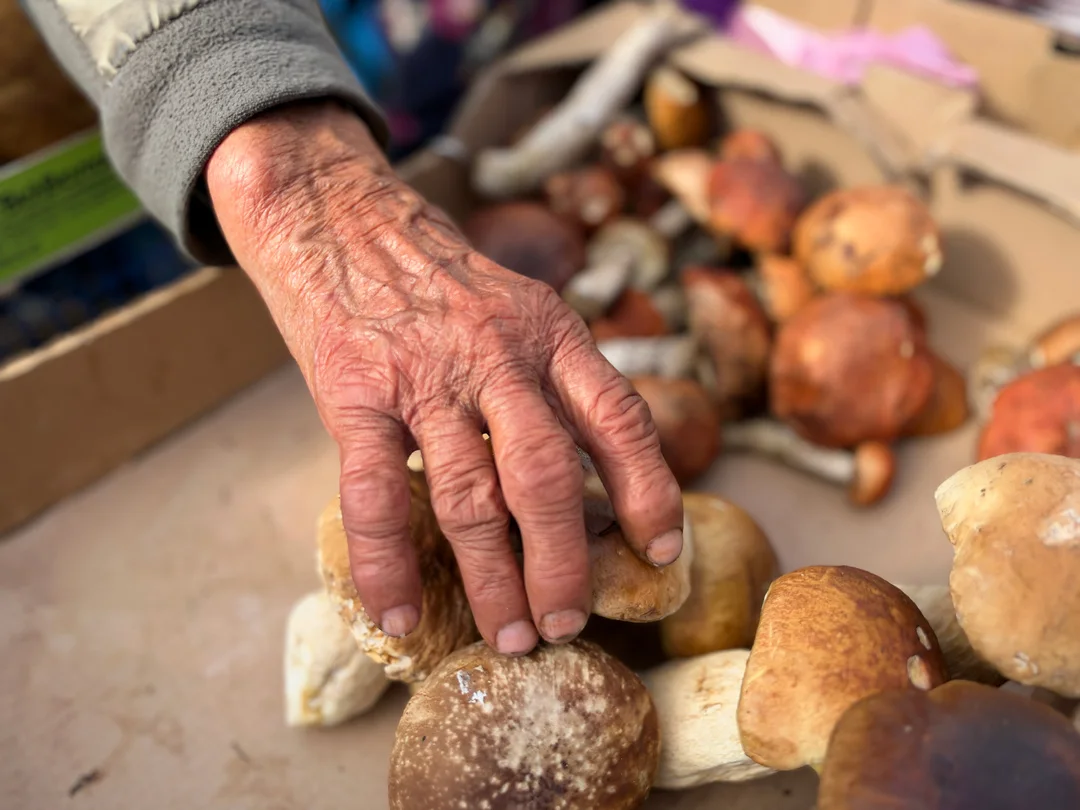
Across the street, Galya offers mounds of hand-picked mushrooms. Massive and meaty. I told her she was brave to return.
"We are used to it," she said. "I only sell mushrooms."
Only.
Originally shared as a dispatch from the field. View the original post