Saadnayel, Lebanon
In Lebanon, Serge Harfouche Seeks Sovereignty One Seed at a Time
At Buzuruna Juzuruna in the Bekaa Valley, saving seeds means preserving the freedom to grow food.
By J.M. Hirsch
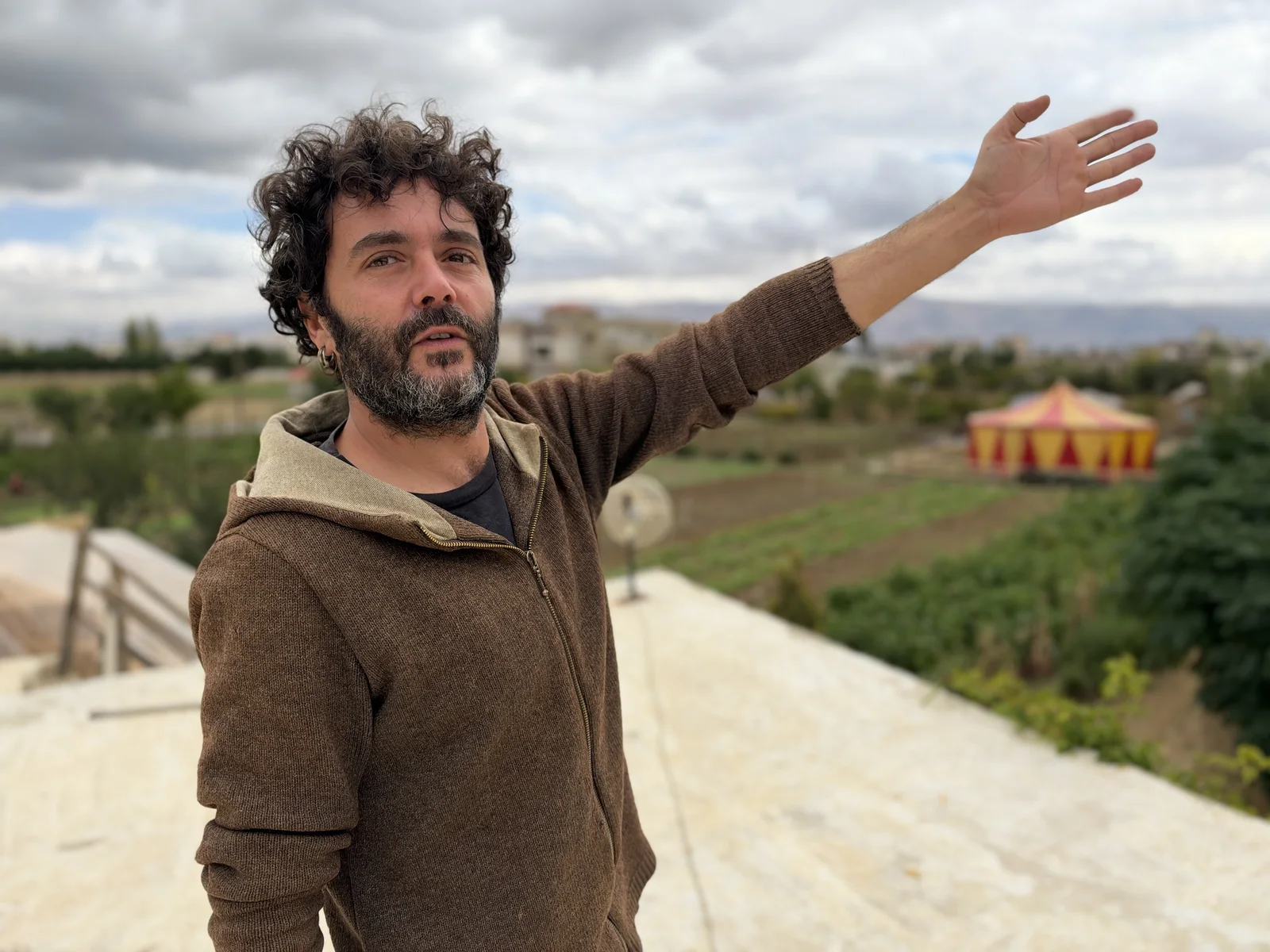
SAADNAYEL, Lebanon — Less than 10 grams. That's all it took.
With less than 10 grams of seeds, Serge Harfouche was able to bring back from the brink Blackbeard wheat, an ancient, almost extinct variety so named for its bushy, dark tendrils. A wheat uniquely and wonderfully suited to growing in Iraq.
He hopes to do that for every threatened seed type in every community across the Middle East.
A friend spotted the seeds hidden in a German seed bank six years ago. He called Harfouche immediately.
"We got less than 10 grams, like a very small handful," he said. "Then three years ago we were able to send back to Iraq around 4 tons."
Today, the wheat is thriving. In Iraq.
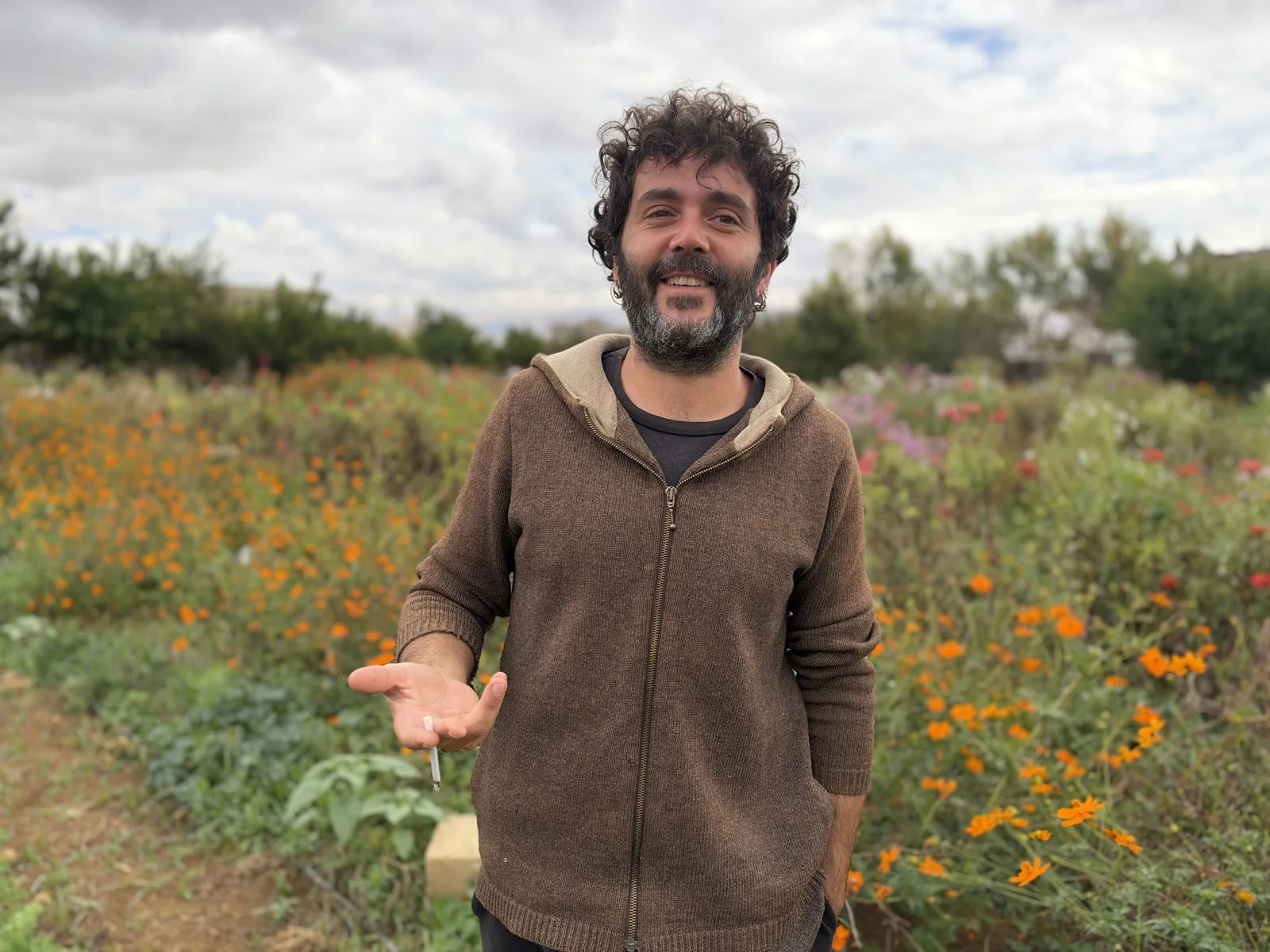
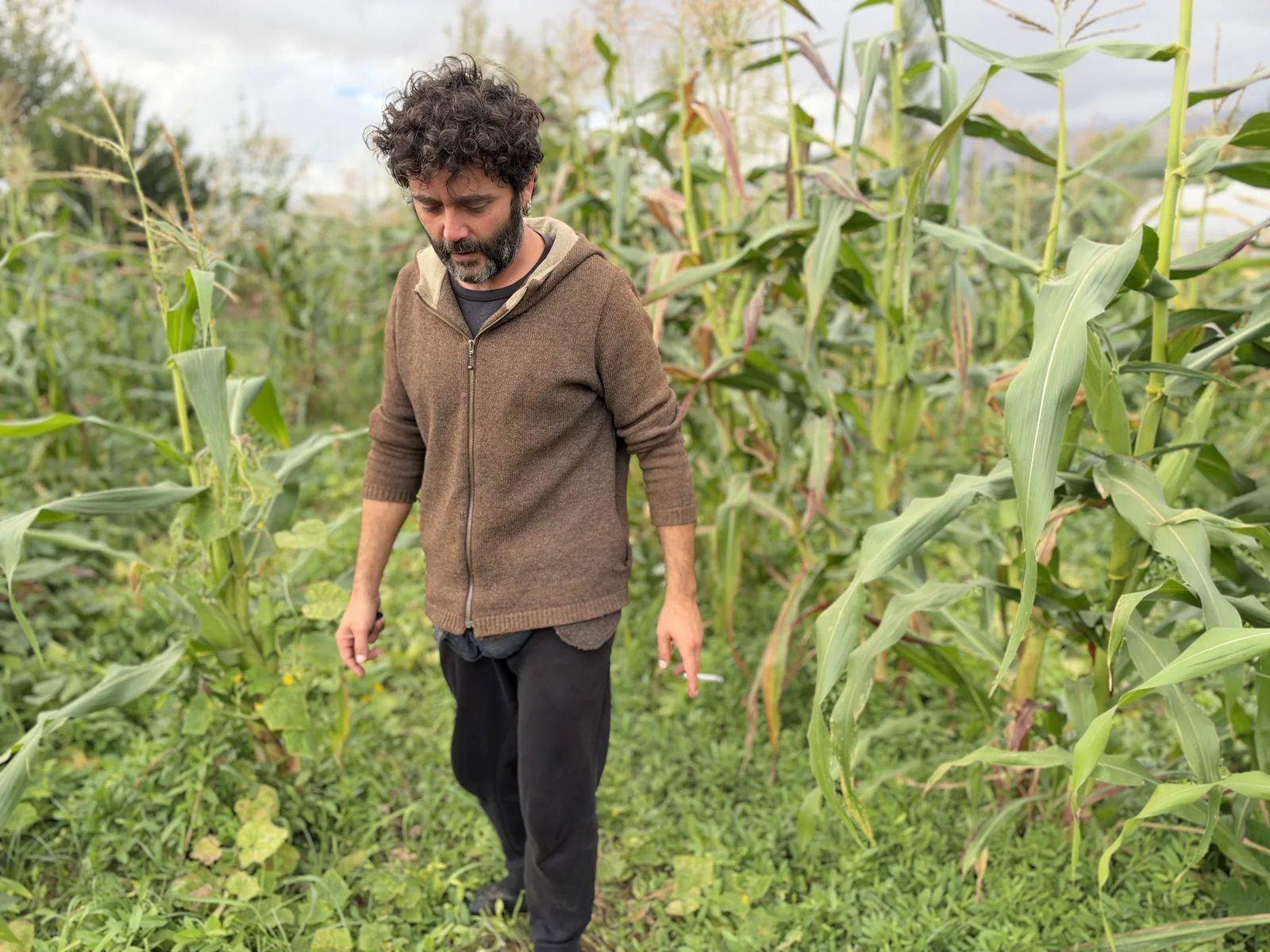
This is the work of Buzuruna Juzuruna, or Our Seeds, Our Roots, the ragtag group of farmers and activists Harfouche leads on a wondrously haphazard farm in Lebanon's Bekaa Valley.
They are driven by a simple principle—seeds, and the knowledge of how to use them, are essential to food sovereignty. And we live in a world in which both our seeds and our sovereignty are under attack.
By war. By climate change. By development. By greed. By ignorance.
"There is one thing that is common to all wars," he said. "It's that the first attack is an attack on livelihoods, and specifically on the ability of people to produce their own food."
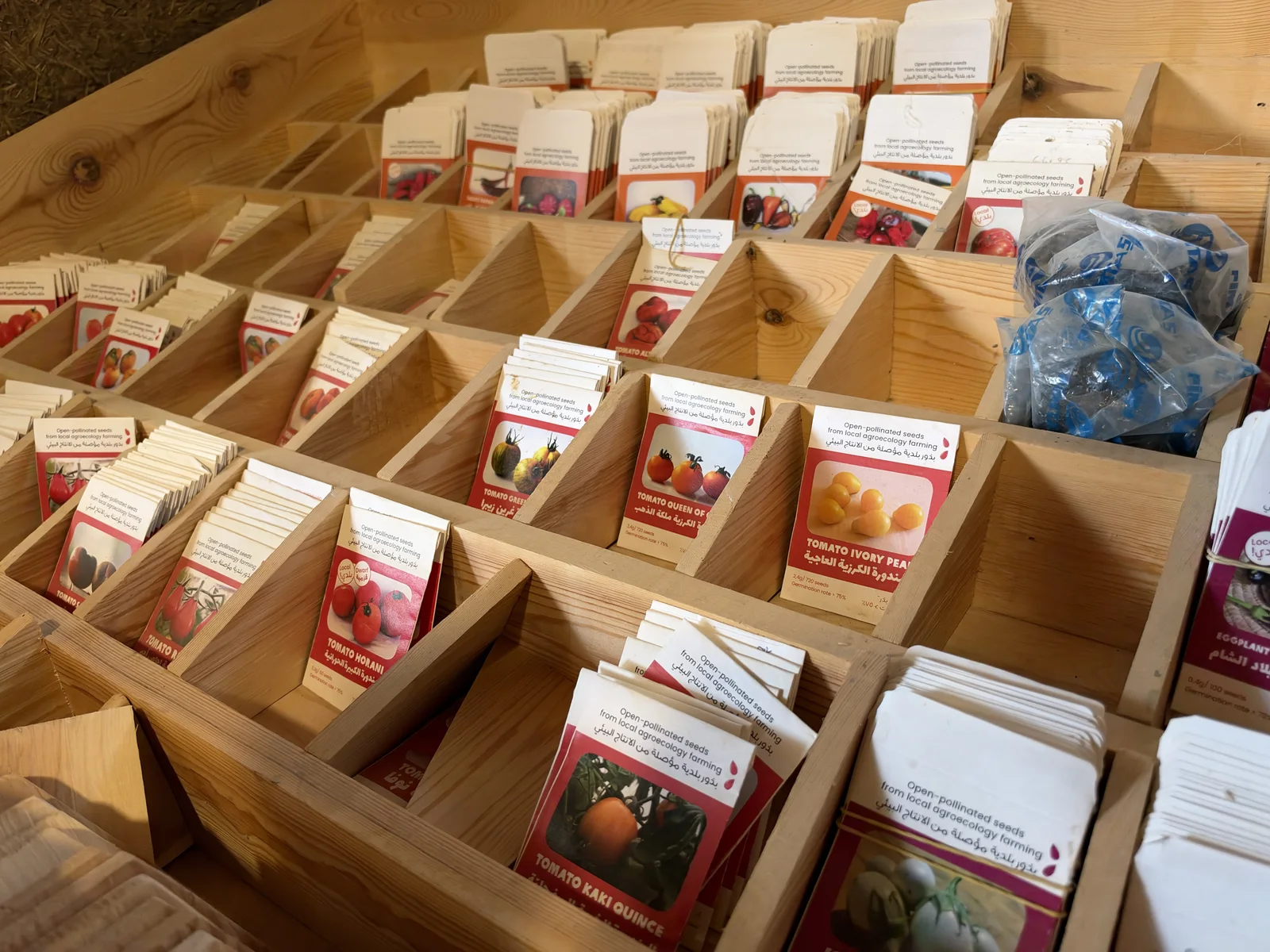
Which is why Harfouche led me into the tiny room that is the heart of Buzuruna Juzuruna.
Rooms like this need to be built in every community, he said. And the people of the community need to be able to use it, contribute to it, learn from it, understand it.
The small room holds hundreds of seed varieties. Nothing fancy. Just shelves with stack upon stack upon stack of plastic containers. Each holding the key to food sovereignty.
Each holding thousands of tiny seeds.
Rooms such as this are needed, he explained, because it's not enough to save Blackbeard wheat. Or any one variety of any food, no matter how important. Food sovereignty—food freedom—demands diversity.
"We need them because if one climate accident happens and it turns out that the Blackbeard is not very well adapted to it, people will starve," he said.
But now their work is threatened. The small patch of land they have farmed for a decade, where berries and corn and squash and tomatoes and cucumbers and flowers tumble together, might be taken away.
The landlord wants to jack their already high rent.
Harfouche is trying to be optimistic. And adaptive. Like his seeds. If they are forced to relocate, they won't create one new farm. They will create many, each in a different microclimate across Lebanon.
Each able to produce different seeds. Teach different lessons.
Diversity, after all, is essential for sovereignty.
Originally shared as a dispatch from the field. View the original post